






Giraffe Calf Euthanized Seneca Park Zoo: What Veterinarians Found
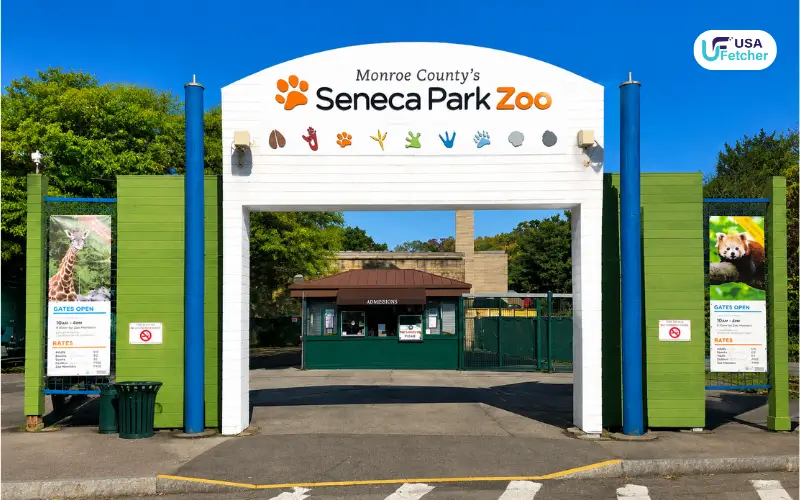
The giraffe calf euthanized at Seneca Park Zoo gained widespread attention after the zoo announced the loss of a newborn Masai giraffe. The calf was unable to stand due to permanent injury to the nerves of its left rear leg, the official statement said. Following a detailed evaluation, vets decided that the calf was beyond treatment, and it had little likelihood of surviving. The zoo had to make the tough choice to carry out humane euthanasia to stop the animal from suffering even more. The incident created a lot of questions, such as: What occurred, why could the calf not be saved, and how do accredited zoos make these tough decisions when they come up with an endangered animal?
Quick Information
| Information | Details |
| Event | Newborn Masai giraffe calf euthanized |
| Zoo | Seneca Park Zoo |
| Location | Rochester, New York, USA |
| Birth Date | June 17, 2025 |
| Mother Giraffe | Kura |
| Species | Masai Giraffe (Giraffa tippelskirchi) |
| Reason for Euthanasia | Permanent nerve damage causing paralysis of the left rear leg |
| Main Medical Issue | The calf could not stand or nurse properly |
| Treatment Outcome | Recovery was not possible; humane euthanasia was recommended |
| Mother’s Condition | Kura recovered well and remained under veterinary monitoring |
| Conservation Programs | AZA Species Survival Plan (SSP) and Giraffe SAFE |
| Conservation Status | Masai giraffe is listed as Endangered by the IUCN |
Giraffe Calf Euthanized Seneca Park Zoo: What Happened?
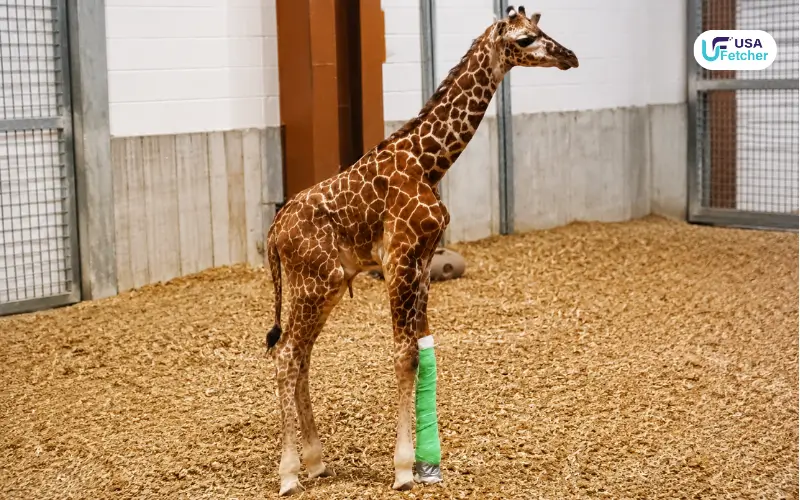
On June 17, 2025, in the early morning hours, a four-year-old female Giraffe named Kura at Seneca Park Zoo had her newborn calf.
Normal, healthy giraffe calves start making attempts to stand in a relatively short period after birth. They need to be able to stand up quickly, as newborn giraffes need to get milk from their mothers soon after birth, and in the wild, being mobile means they are less likely to be attacked by predators. The Zoo staff were therefore able to closely monitor the calf after it was born, both by observations on site and by watching videos taken by the staff.
During those observations, the animal care team noted that the calf was still not standing even after numerous attempts. This behaviour was very unusual for a healthy newborn giraffe, and the zoo’s Animal Health team began a medical evaluation.
During an examination, it was found that the calf’s left rear leg was paralysed. Based on further veterinary examination, the paralysis was the result of damage to the nerves, completely different from a broken bone or muscle injury that could be treated conventionally.
When the diagnosis was confirmed, there was a discussion about the prognosis, and it was determined that meaningful recovery was not possible.
Where Is Seneca Park Zoo Located?
Seneca Park Zoo is situated at 2222 St. Paul Street in Rochester, NY 14621, in Seneca Park of Monroe County. The zoo is among the top accredited zoological parks in the West and has a diverse collection of animals, making it home to the rare Masai giraffe among many others. It is also accredited by the Association of Zoos & Aquariums (AZA) and has participated in a number of wildlife conservation and species survival programs.
How to Reach
Seneca Park Zoo is at 2222 St. Paul Street, Rochester, NY 14621. Access to the zoo is available from NY-104 (Irondequoit-Wayne County Expressway) by entering on St. Paul Street, which is marked. On-site free parking is available.
By Car
Seneca Park Zoo’s address is 2222 St. Paul Street, Rochester, NY 14621. The zoo is accessible by taking NY-104 (Irondequoit-Wayne County Expressway), then following signs for St. Paul Street. On-site free parking is available.
By Public Transportation
The zoo is accessible by bus service (Regional Transit Service (RTS) buses), and bus stops are near the entrance. People may find out the most recent routes and timetables before travelling on the RTS website.
By Taxi or Rideshare
Direct transportation from downtown Rochester, Greater Rochester International Airport, or local areas to Seneca Park Zoo is provided by Uber, Lyft, and local taxi services.
By Air
The closest airport outside Rochester is Greater Rochester International Airport (ROC), which is approximately 8 miles (13 km) away from the zoo. The zoo is accessiblefrom they airport by rental car, taxi, or rideshare service.
Seneca Park Zoo Timings
| Season | Opening Hours | Last Admission |
| April 1 – October 31 | 10:00 AM – 5:00 PM | 4:00 PM |
| November 1 – March 31 | 10:00 AM – 4:00 PM | 3:00 PM |
Additional Information
- Zoo Members: Early entry at 9:30 AM.
- Open: 362 days a year.
- Closed: Thanksgiving Day, Christmas Day, and New Year’s Day.
Seneca Park Zoo Ticket Prices
| Visitor Category | Online Price | Gate Price |
| Adults (15–61 years) | US$14 | US$16 |
| Seniors (62+ years) | US$13 | US$15 |
| Youth (4–14 years) | US$11 | US$13 |
| Children (3 years & under) | Free | Free |
| Zoo Members | Free | Free |
Additional Information
- Buy tickets online to save US$2 per ticket.
- Veterans and active-duty military receive US$5 admission with valid ID.
- SNAP participants may qualify for US$1 admission through the Museums for All program.
- Tickets can be purchased online in advance or at the zoo entrance, subject to availability.
Why Was the Giraffe Calf Euthanized?
Many people thought that maybe the calf had a broken leg, but the official veterinary examination concluded that the calf had a far more serious neurological injury.
“It’s a permanent nerve injury that has paralyzed the left rear leg,” said Zoo Veterinarian Dr. Chris McKinney. As a result of the injury’s nature, not involving the skeletal system, the treatment possibilities were very few.
In addition, veterinarians decided that:
- The calf was unable to stand unaided.
- The limb might not have been able to bear the weight of the body.
- Splints wouldn’t help as it was not an orthopaedic issue.
- The calf was also underweight, and this also decreased its chances of survival.
Newborn giraffes must be able to stand. A calf that is unable to stand is unable to nurse properly, build muscle strength, and move in a manner necessary for good growth.
The veterinary team, after studying all the medical data, decided that the injury was fatal. Those results led to the humane decision of the calf’s euthanasia by Seneca Park Zoo.
What Caused the Paralysis?
A common query after the announcement was if there had been an accident during birth causing the paralysis.
There is no indication of an accident at the zoo.
Rather, veterinarians said such nerve injuries can happen for a variety of reasons, such as:
- The location of the fetus in utero.
- Pressure on nerves during childbirth.
But the vet team added it could not be identified in this instance. With no definitive evidence to determine which of these medically recognised possibilities caused the disease, the zoo could only guess.
This is significant. In veterinary medicine, nerve injury is a known complication, but the official statement does not place the injury at the hands of the negligent, improper, or particular delivery complication in the calf.
Why Couldn’t Veterinarians Treat the Injury?
Euthanasia, to many readers, might be an extreme choice for a newborn animal. The medical conditions mentioned in the zoo, however, are the reasons why it was not possible to treat.
Immobilisation, surgery, or external support may be necessary at times to allow the fracture to heal. Severe nerve damage impacts communication between the brain, spinal cord, and muscles. However, if the nerves that allow movement of a limb are damaged forever, then the only way to stabilise the leg is not to be able to move it.
The calf had been paralyzed, and the zoo said that would not address the issue but would only be used to support the calf. The calf had a very guarded prognosis as it could not stand or bear weight. These, along with low body weight, led veterinarians to the conclusion that it was impossible to recover.
The vet team decided on humane euthanasia of the calf for its welfare, rather than causing it to suffer through treatments which had little chance of success.
How Is Kura, the Mother Giraffe?
After her calf was born, the zoo reported that Kura went back to the giraffe habitat and was “normal” under the close watch of animal care staff.
The zoo is continuing to check on her behavior and health as part of her normal post-birth routine. The official announcement does not mention any other health issues related to Kura.
Seneca Park Zoo’s Role in Masai Giraffe Conservation
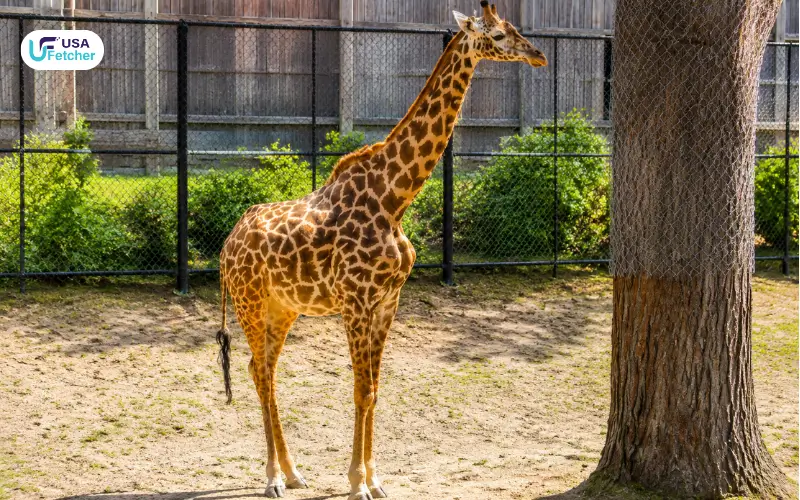
The death of the newborn calf was heartbreaking, but didn’t affect Seneca Park Zoo’s long-term dedication to giraffe conservation. The zoo has been involved in accredited breeding and conservation programmes for some years and is collaborating with national and international organisations to protect endangered giraffes.
The Zoo’s most significant collaboration is with the Association of Zoos & Aquariums (AZA) Species Survival Plan (SSP). Under professional veterinary and genetic management, the SSP oversees breeding advice between accredited zoos to help maintain genetically healthy assurance populations of endangered species.
In addition, the zoo is involved with an AZA conservation program called Giraffe SAFE (Saving Animals From Extinction), which funds field conservation initiatives that promote the protection of wild giraffe and their habitat. Seneca Park Zoo has been a long-time supporter of giraffe conservation since they became part of the zoo in 2018.
Seneca Park Zoo says it had five Masai giraffes at the official announcement.
Why Are Masai Giraffes Endangered?
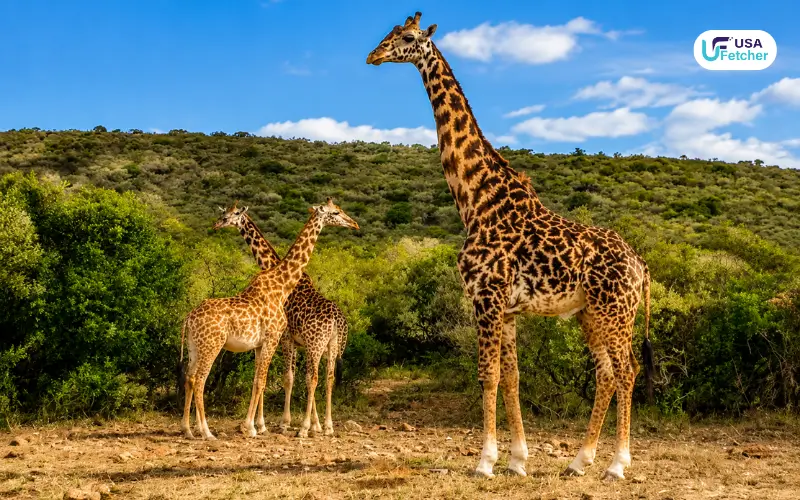
The calf in this incident was a member of the Masai giraffe (Giraffa tippelskirchi), one of East Africa’s most endangered groups of giraffe.
Masai giraffes are listed as Endangered, according to Seneca Park Zoo’s official statement, which follows the International Union for Conservation of Nature (IUCN). They have been reduced in numbers due to several well-documented threats, such as:
- Habitat loss
- Human encroachment
- Poaching
- Discontinuous distribution of wild populations.
Such pressures make conservation breeding programmes to preserve the health of animals in captivity and contribute to wider conservation programmes more and more significant.
Does This Loss Affect the Zoo’s Breeding Program?
The official statement does not state that the calf’s death affects the Zoo’s involvement in the AZA Species Survival Plan or future recommendations for breeding.
Rather, the zoo continued to reassure the community of its ongoing efforts to conserve the giraffes and confirmed that Kura was doing well since giving birth. The AZA Species Survival Plan takes a collaborative approach to breeding decisions, not one by any single zoo.
No official announcement has been made regarding changes to the breeding programme, and so any implications that this event will change future breeding plans cannot be substantiated individually.
Comparison: Verified Facts vs. Common Misconceptions
| Topic | Verified Information | Common Misconception |
| Reason for euthanasia | Permanent paralysis caused by nerve damage and a fatal prognosis. | The calf had only a broken leg. |
| Treatment options | Splints were not appropriate because the injury affected nerves, not bones. | Surgery or a cast could have solved the problem. |
| Cause of paralysis: The exact | ct cause was not determined. Veterinarians noted nerve injuries can occur because of fetal positioning or during birth. | The zoo confirmed a birth accident or staff error. |
| Mother’s condition | Kura returned to the giraffe herd and was reported to be doing well while under close observation. | The mother suffered major complications. |
| Conservation efforts | Seneca Park Zoo remains active in AZA SSP and Giraffe SAFE conservation programs. | The incident ended the zoo’s conservation work. |
Conclusion
The giraffe calf euthanized at Seneca Park Zoo was diagnosed with permanent nerve damage that left it unable to stand or survive. The zoo made a difficult decision to euthanize this animal to humanely end its suffering, after careful examination by the zoo veterinarians. Kura, the calf’s mother, did fine and is still being monitored by the animal care team, the statement said. Although the loss is devastating, the Zoo is still dedicated to the continued survival of the species and is continuing to work for endangered Masai giraffes through the AZA Species Survival Plan and Giraffe SAFE conservation programs.
Must Read: Bark in the Park Grand Reopening Event: Everything Visitors Need…
Nova Trampoline Park: Tickets, Attractions, Locations & Visitor Guide
Oak Park Mall: Where Kansas City Shops, Dines, and Unwinds
Frequently Asked Questions
Why was the giraffe calf euthanized at Seneca Park Zoo?
The vet determined that the calf’s left rear leg was paralyzed due to nerve damage. The zoo decided to end the calf’s life ethically, as it was unable to stand up, and it was deemed to have a poor prognosis and would not be treated for survival.
What caused the calf’s paralysis?
It was not possible to determine the exact cause. The veterinary staff at the zoo believes the damage to the nerves could be caused by the position of the foals in the womb before birth or during delivery, but it has not been pinpointed.
Is the mother giraffe healthy?
Yes. Kura was reported to have returned to the giraffe tower, was behaving normally, and is under close observation from the Animal Care and Animal Health teams at the zoo.
Are Masai giraffes endangered?
Yes. The IUCN considers Masai giraffes endangered because of habitat loss, poaching, human encroachment, and fragmented populations.
Does Seneca Park Zoo still participate in giraffe conservation?
Yes. Seneca Park Zoo is involved in the AZA Species Survival Plan and Giraffe SAFE conservation initiatives that aim to conserve Masai giraffes in the long term.
Can newborn giraffes survive if they cannot stand?
A newborn giraffe must stand up to nurse and survive. The calf was unable to walk on its back legs and had suffered a permanent nerve injury, leaving it unable to recover, according to Seneca Park Zoo.
What conservation programs does Seneca Park Zoo support?
The AZA Species Survival Plan (SSP) and Giraffe SAFE are programs that Seneca Park Zoo is involved in to ensure the protection and conservation of endangered Masai giraffes.