





Priority Infrastructure Plan 2026 – U.S. Guide to the Priority List
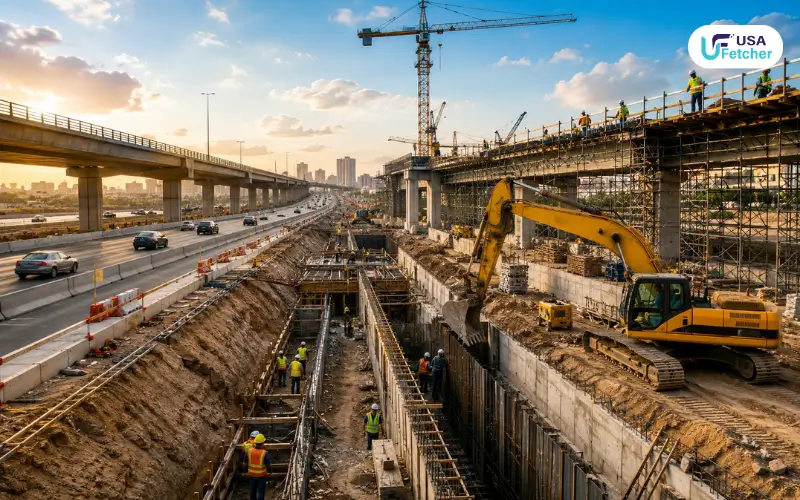
Priority Infrastructure Plan is best understood in the U.S. context as a proposed way to identify major infrastructure projects that deserve priority treatment. The idea is closely linked to David Schleicher’s 2025 “Priority List” proposal, which would select a small group of nationally important and publicly supported projects and give them additional federal planning, financing, and regulatory support.
The proposal is not currently a federal program or law. It is a policy framework for improving how major roads, bridges, rail and other transportation projects are selected and delivered. In 2026, the broader U.S. infrastructure picture also includes active federal investment in roads, bridges, transit, rail, ports and aviation through existing programs.
What Is a Priority Infrastructure Plan?
A Priority Infrastructure Plan is a framework for deciding which infrastructure projects should receive attention first. The basic idea is to rank projects according to factors such as national importance, public benefit, cost, readiness,s and the ability to improve transportation or economic activity.
In the current U.S. policy discussion, the more specific term is Priority List. David Schleicher proposed creating a short list of high-profile projects that Congress could approve as a group.
Is the Priority Infrastructure Plan a U.S. Government Program?
No. There is currently no federal program officially named the “Priority Infrastructure Plan.”
The current U.S. concept comes from David Schleicher’s 2025 paper, The Priority List, produced through a joint American Enterprise Institute-Brookings project. Yale Law School also describes it as a proposal for a shortlist of major projects that are nationally important and publicly popular. This distinction is important because the proposal should not be presented as an existing federal infrastructure scheme.
What Is the U.S. Priority List?
The Priority List is a proposal to select a limited number of major infrastructure projects for special treatment. Under the proposal, the Secretary of Transportation would identify early-stage, high-profile projects. Congress would then vote on the proposed list as a package rather than deciding on every project separately.
The selected projects would receive additional federal support and could qualify for special financing and targeted changes to certain regulatory requirements.

Why Was the Priority List Proposed?
The proposal responds to concerns about the high cost and long timelines associated with major U.S. transportation projects. Schleicher points to factors including limited state and local capacity, regulatory requirements, planning problems, and weak accountability for project costs.
The goal is to test whether a smaller group of important projects can be built more efficiently and provide examples for wider infrastructure reform.
How Would the Priority List Work?
1. Select Major Projects
The Secretary of Transportation would identify early-stage projects that have national importance and strong public support. The list would focus on a relatively small number of major projects instead of covering every infrastructure proposal in the country.
2. Congress Approves the List
Congress would vote on the list as a whole under a closed-rule process. This means lawmakers would vote up or down on the complete package instead of separately changing each project.
3. Federal Experts Help Project Sponsors
Projects on the list would receive support from federal transportation experts. The proposal argues that state and local governments may need additional technical capacity when managing very large projects and contractors.
4. Projects Could Use Build America Bonds
Priority List projects would be allowed to use Build America Bonds under the proposal. The financing mechanism is intended to broaden the investor base and reduce borrowing costs for participating state and local governments.
5. Certain Regulations Could Be Changed
The proposal also suggests project-specific changes involving environmental, labor,r and domestic procurement requirements.These changes are intended to reduce delays and construction costs, although they would also create important policy and environmental questions.
What Types of Infrastructure Could Be Prioritized?
The proposal is mainly focused on major transportation infrastructure.
Potential projects could include:
- Roads
- Bridges
- Rail projects
- Transit systems
- Major transportation corridors
- Other nationally significant transportation projects
The proposal is therefore narrower than a general infrastructure plan covering every public asset in the country.
Why Transportation Infrastructure Matters
Transportation infrastructure affects how people travel and how businesses move goods. Roads, bridges, railways, ports, ts and transit systems connect workers with jobs and businesses with customers, suppliers, and markets.
The U.S. Department of Transportation currently lists improving system condition, expanding capacity, reducing congestion,tion and accelerating project delivery among its infrastructure objectives.

The I-95 Example
The I-95 bridge collapse in Philadelphia in 2023 is often discussed when looking at how quickly a major transportation project can move during an emergency. After the collapse, Pennsylvania rebuilt the damaged section and reopened the highway in a short period. Schleicher uses the example in his paper when discussing the difference between emergency reconstruction and the much slower process often associated with major infrastructure projects.
The example does not prove that every infrastructure project could be completed at the same speed. It shows why project delivery and government coordination are central to the Priority List proposal.
What Would Priority Projects Receive?
The proposal gives selected projects three main forms of support.
| Support | Purpose |
|---|---|
| Federal planning experts | Improve project planning and management |
| Build America Bonds | Provide an alternative financing mechanism |
| Targeted regulatory changes | Reduce certain delays and costs |
These measures are part of the proposal, not benefits currently available to projects simply because they are considered high priority.
Potential Benefits of the Priority List
Faster Project Delivery
Additional planning expertise and targeted regulatory changes could help reduce some delays. The proposal specifically aims to make major infrastructure projects easier and faster to deliver.
Better Project Management
Large projects often involve multiple agencies, contractors, and funding sources. Federal technical support could give state and local project sponsors additional expertise in managing complex construction programmes.
More Financing Options
Build America Bonds could give eligible projects another way to access infrastructure financing. The proposal argues that the structure could attract investors who do not benefit from tax-exempt municipal bonds.
Clearer Project Priorities
A short list would make it easier to identify which projects have been selected for special attention. That could also make project costs, timelines, and results easier for the public to follow.
Concerns About the Priority List
The proposal also has potential drawbacks.
How Would Projects Be Chosen?
A short list means many projects would not receive priority status. The selection process would therefore need clear criteria for national importance, public support, readiness,s and expected benefits.
Could Politics Influence the List?
Congress would have a major role in approving the projects. That creates a need for transparent selection criteria so that infrastructure priorities are not based mainly on political influence.
What About Environmental Review?
This is one of the most debated parts of the proposal. The Yale Law Journal Forum noted that a priority system could disproportionately accelerate large highway projects, which can have significant environmental and cultural-resource impacts. It suggested that any such list should consider whether projects provide environmental benefits as well as transportation benefits.
Would It Actually Lower Costs?
That cannot be confirmed yet. The Priority List remains a proposal, so there is no completed federal program from which to measure its actual construction savings or delivery times.
Priority Infrastructure Plan vs. Existing U.S. Infrastructure Programs
The Priority List should not be confused with the federal infrastructure programs already operating in the United States. The U.S. Department of Transportation currently manages multiple programs covering roads, bridges, transit, rail, ports, and other transportation needs. Its current infrastructure priorities include project delivery, capacity, reliability, and economic competitiveness.
For example, USDOT announced $1.73 billion for 127 BUILD projects across 52 states, territories, and the District of Columbia in July 2026. The awards included roads, bridges, ports, transit, rail, and aviation infrastructure.
That funding is part of an existing federal grant program. It is not the proposed Priority List.
Current U.S. Infrastructure Priorities in 2026
The federal infrastructure picture continues to cover several major areas.
Roads and Bridges
Road and bridge improvements remain a major focus, particularly where projects address safety, congestion,n and freight movement. USDOT’s 2026 BUILD awards directed about $1.3 billion of the announced $1.73 billion toward roads and bridges.
Rail
Rail projects are another major part of U.S. infrastructure investment. Federal transportation programmes support both passenger and freight rail improvements, depending on the funding source and project type.
Ports and Freight
Port infrastructure helps move goods through domestic and international supply chains. The July 2026 BUILD announcement included $136.8 million for port infrastructure.
Public Transit
Transit investment supports buses, rail systems, ms and other public transportation networks. USDOT’s 2026 BUILD awards included funding for transit projects focused on safety and reliability.
Energy and Telecommunications
Infrastructure planning is also expanding beyond traditional transportation. In August 2026, USDOT announced America’s Great Corridors of Commerce, a voluntary initiative designed to encourage the use of existing highway and rail corridors for transmission lines, fiber-optic infrastructure, water pipelines, and other utilities.
The department said it plans to select up to five initial priority corridors and provide technical support, streamlined permitting, and public-private partnership models.
How Are Infrastructure Projects Prioritized?
A practical priority system can compare projects using several factors.
| Factor | Main question |
|---|---|
| National importance | Does the project address a major national need? |
| Public benefit | Who will benefit from it? |
| Economic impact | Could it improve commerce or productivity? |
| Project readiness | Is it ready to move forward? |
| Cost | How much funding is required? |
| Safety | Does it address a significant safety issue? |
| Connectivity | Does it improve existing transportation networks? |
| Delivery risk | What could delay the project? |
| Long-term value | Will the investment remain useful for decades? |
| Environmental impact | What are the project’s environmental effects? |
No single scoring system applies to every U.S. infrastructure program. Different agencies and funding programmes use their own eligibility and evaluation requirements.
What Makes a Good Infrastructure Priority Plan?
A strong plan starts with a clearly defined infrastructure problem. It then identifies potential projects, compares them using consistent criteria, and explains why some projects should move ahead of others.
The plan should also consider funding, project readiness, construction capacity, maintenance, and long-term demand. Most importantly, the selection process should be clear enough that communities can understand why a project received priority.

Why Infrastructure Planning Matters to U.S. Cities
Growing cities need infrastructure that can keep pace with population, employment, and development. A new housing area can increase pressure on roads, transit, utilities, and public services. If improvements arrive too late, residents may face congestion, longer travel times, and reduced access to essential services.
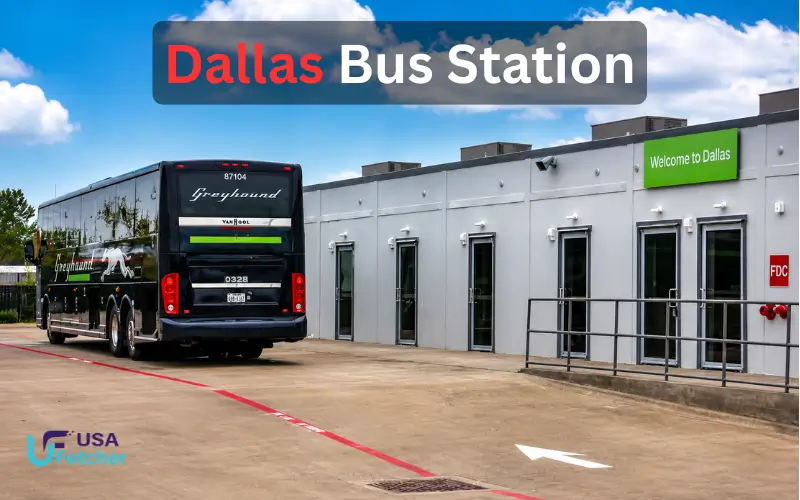
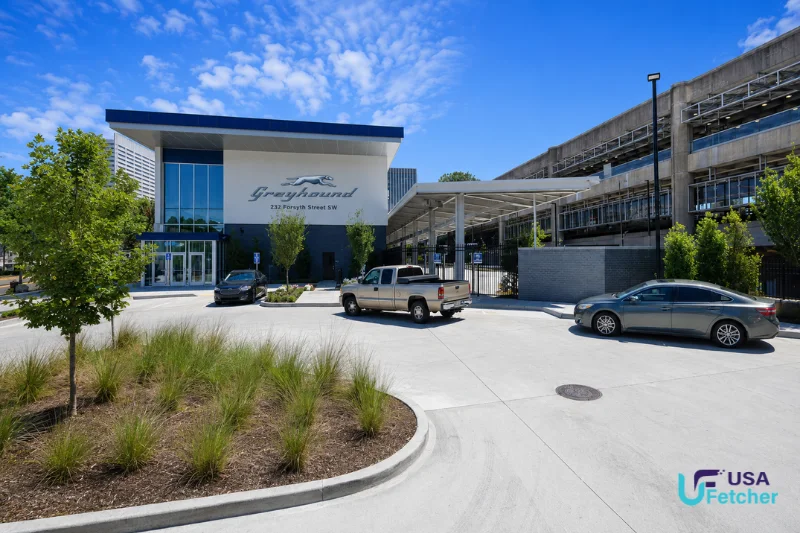
This is especially relevant for travel within the United States. Transportation hubs, bus stations, rail stations, and major roads form the connections that allow visitors and residents to move between cities and local destinations.
What Could Happen to the Priority List?
The Priority List remains a policy proposal, so its future depends on whether Congress and federal policymakers choose to adopt the framework or elements of it. If the idea moves forward, the key questions will be which projects are selected, what financing is available, which regulations are changed, and how project performance is measured.
Until then, it should be described as a proposed infrastructure policy rather than an active federal programme.
Final Thoughts
The Priority Infrastructure Plan is not the name of an existing U.S. federal program. In the current policy debate, it is best connected to the proposed Priority List, which would give a small group of nationally important infrastructure projects additional federal expertise, financing options,s and targeted regulatory support.
The idea is aimed at a clear problem: major U.S. infrastructure projects can take years to plan and build, while costs can become difficult to control. Whether the proposed approach would solve those problems remains uncertain because the Priority List has not been implemented as a federal program.
For 2026, the broader U.S. infrastructure landscape is already active through existing federal investments in roads, bridges, rail, transit, ports, and aviation, along with newer efforts to coordinate transportation corridors with energy and telecommunications infrastructure.
Also Explore: King Street Charleston
Frequently Asked Questions
What is a Priority Infrastructure Plan?
It is a framework for deciding which infrastructure projects should receive priority. In the current U.S. discussion, the related Priority List proposal focuses on major transportation projects.
Is the Priority Infrastructure Plan a federal program?
No. The U.S. Priority List is a policy proposal, not an enacted federal program or law.
What is the U.S. Priority List?
It is a proposal for a short list of nationally important and publicly supported infrastructure projects that would receive additional federal support.
Who proposed the Priority List?
The proposal was developed by David Schleicher, a Yale Law School professor, through a joint Brookings and American Enterprise Institute project.
What projects could be included?
The proposal focuses on major transportation projects such as roads, bridges, and rail projects that are nationally important and publicly popular.
Would Priority List projects receive federal funding?
The proposal is not simply a new grant program. It would provide selected projects with federal planning support, access to Build America Bonds, and proposed regulatory changes.
What are Build America Bonds?
They are a municipal financing tool designed to help state and local governments raise money for infrastructure. The Priority List proposal suggests making them available to selected priority projects.
Could the Priority List reduce project delays?
That is one of its goals, but it has not been tested as an active federal program. The proposal argues that additional expertise and targeted regulatory changes could speed delivery.
What are the main concerns about the Priority List?
The main concerns involve project selection, political influence, environmental review, and whether the proposed changes would actually reduce costs. These issues are still part of the policy debate.
What are the main U.S. infrastructure priorities in 2026?
Current federal transportation investment includes roads, bridges, rail, transit, ports, and aviation. USDOT also announced new work involving integrated transportation, energy, and telecommunications corridors in August 2026.