



Happy Birthday and Stevie Wonder: The Story Behind the Iconic Song
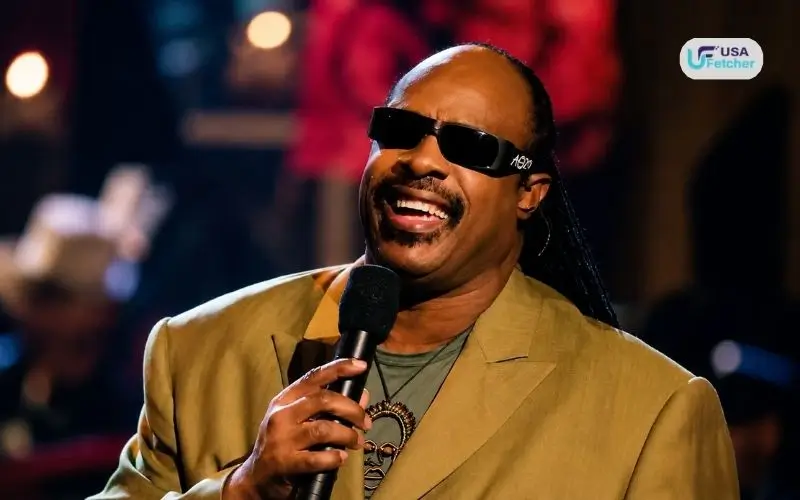
Happy Birthday and Stevie Wonder have a close connection because Stevie Wonder wrote “Happy Birthday” to honor Martin Luther King Jr. The song appeared on Wonder’s album Hotter Than July in 1980 and was a part of the campaign for a federal holiday to honor Dr. King. The song is a happy and fun birthday song, but its message also focuses on King’s work, life, and legacy. Later, the song became closely associated with the Martin Luther King Jr. Day movement.
What is the “Happy Birthday” song by Stevie Wonder about?
Many listeners are unaware of the original meaning behind ” Happy Birthday” and Stevie Wonder. They hear it at birthday parties, but don’t know its origin. Stevie Wonder’s “Happy Birthday” was not written as a traditional song for birthday celebrations. Instead, it was composed to honor Dr. Martin Luther King Jr.
The song asks the listeners to think about why someone who has made such an important contribution in civil rights shouldn’t have a national day of recognition. The song’s celebratory sound carries a bigger message, which is to celebrate Dr. King and his life while remembering the principles that he worked for.
The Library of Congress calls the song one of Wonder’s iconic works, and documents his involvement in the campaign to establish a Martin Luther King holiday. Wonder’s activism went beyond recording the song. He also participated in rallies in Washington and supported the King campaign.
When did Stevie Wonder release “Happy Birthday?”
Hotter Than July was released in 1980 and included the song “Happy Birthday”. Apple Music lists the album as September 29, 1980, and the song’s release on this album.
The song is the last track on the album. The album also featured other well-known Wonder recordings, but “Happy Birthday,” which was the last song on the album, had a special historical significance because it was connected to a campaign for a federal day honoring Dr. King.
Basic Song Information
| Detail | Information |
| Song | “Happy Birthday” |
| Artist | Stevie Wonder |
| Album | Hotter Than July |
| Album release year | 1980 |
| Record label | Motown |
| Historical purpose | Tribute to Martin Luther King Jr. and support for recognition of his birthday |
| Cultural association | Martin Luther King Jr. holiday movement |
National Park Service, Library of Congress, and other organizations have documented the historical connection between the song and the King holiday campaign.
Read Also:Route 66 Texas attractions
Why did Stevie Wonder write “Happy Birthday?”
The story of ” Happy Birthday” and Stevie Wonder cannot be separated from Wonder’s support for the Martin Luther King Jr. holiday movement.
The Library of Congress reports that Wonder joined the campaign because he admired Dr. King. The Library of Congress documents Wonder’s account of speaking with Coretta King about the idea for his song and envisioning a public campaign to support the creation of a new holiday.
Wonder didn’t just release a tribute to the late singer and then move on. He continued to participate in the campaign. According to the National Park Service, the song was a big hit and became a rallying call for King Holiday supporters.
This distinction is crucial. This song was written to celebrate a historical figure, and not just a birthday.
Martin Luther King Jr. Day and the connection

Over many years, civil rights leaders and activists, as well as members of Congress, worked together to establish a federal holiday in honor of Dr. King. Wonder was one of the prominent public figures who became strongly associated with this effort.
The Library of Congress reported that Wonder increased his support by holding rallies and engaging in other advocacy activities. Congressman John Conyers supported legislation to establish a King holiday. The Library of Congress notes that Coretta King and Wonder attended the 1983 signing by Ronald Reagan.
In 1986, the first federally recognized Martin Luther King Jr. Day was held. According to the National Park Service, Wonder’s “Happy Birthday” echoed during the first celebration of the holiday.
Read Also:1127 Wilshire Boulevard Los Angeles
The song’s original purpose is not the reason for its sound
Stevie Wonder and “Happy Birthday” are often associated with birthday parties, playlists, and social media celebrations. This modern use is logical because the song’s energetic rhythm and memorable birthday refrain make it a perfect fit.
The original context of the recording adds a new layer of meaning. Listeners can appreciate it as a song of celebration while also understanding its significance in civil rights history.
This dual identity makes this recording unique. The music is catchy, but also conveys a message of public recognition of Martin Luther King Jr.
Stevie Wonder’s “Happy Birthday” vs. a Traditional Birthday Song
| Feature | Stevie Wonder’s “Happy Birthday” | Traditional birthday song |
| Original purpose | Tribute connected to Dr. King’s holiday campaign | Personal birthday celebration |
| Historical context | U.S. civil rights and public recognition | General birthday tradition |
| Artist association | Stevie Wonder | No single modern recording artist |
| Broader message | Celebration combined with social meaning | Primarily celebrating an individual’s birthday |
| Common modern use | Parties, playlists, celebrations, MLK-related contexts | Birthday celebrations |
How the song became part of popular culture

Happy birthday can be understood from many different perspectives, which is why it has a lasting impact.
The song brings back memories for those who are familiar with its history. Wonder was a supporter of the Martin Luther King Jr. holiday campaign. It is a fun alternative to the birthday song for many.
The original meaning of the song was not lost by this wider usage. This wider use helped to keep the song familiar for new generations. The National Park Service, Library of Congress, and other organizations continue to trace the song’s relationship to Wonder’s advocacy for the King holiday and to the King holiday movement.
The song reached No. 2 on the Official Singles Chart in 1981, demonstrating its popularity beyond the historical context of the U.S. The song reached No. 2 on the Official Singles Chart of 1981, showing its popularity outside its U.S. historical context.
Stevie Wonder’s role beyond the recording
The song’s story is also one of sustained activism. After the release of Hotter Than July, Wonder continued to support the campaign for a federal holiday in honor of Martin Luther King Jr.
Wonder was a supporter of the campaign by organizing public events and advocating for it. The Library documents Wonder’s efforts to maintain momentum surrounding the proposed holiday, and his participation in rallies related to the campaign.
The song’s importance goes beyond its commercial success. The song was linked to a public goal,l and Wonder, as a major recording star, used his fame to bring more attention to the goal.
The 1983 Federal Holiday Law
Ronald Reagan’s 1983 signature of the legislation creating the federal holiday was a major victory for the campaign. The Library of Congress records that Wonder, Coretta King, and Congressman John Conyers attended the signing of Reagan’s bill on October 19th, 1983.
In January 1986, the first national celebration was held. This milestone cemented the song’s place in the history of Martin Luther King Jr. Day.
“Happy Birthday”: The Musical Appeal
The recording is known for its mix of serious historical content and a celebratory, upbeat sound.
The original message of the song gives it greater historical depth. The song is not necessary to understand the history, but it can change the way the song is heard.
Today, the connection between “Happy Birthday” and Stevie Wonder has two different meanings.
- Popular song played at birthday celebrations.
- This is a recording that has historical significance in relation to the Martin Luther King Jr. Day movement.
Both meanings are possible. The song’s wide appeal allowed it to reach audiences that might not have otherwise heard the political and historic context of the campaign.
How successful was the song?
The song “Happy Birthday” was a commercial success in countries other than the United States. The records the song reached No. The song spent 11 weeks at No. 2 on the UK Singles Chart in 1981.
| Chart Detail | Verified Information |
| Market | United Kingdom |
| Peak position | No. 2 |
| First chart date | July 25, 1981 |
| Weeks on the chart | 11 |
| Record label listed | Motown |
The song’s success on the charts shows that it has reached a wider audience than the American civil rights movement and the holiday campaigns that inspired its creation.
Why people still use the song for birthdays
The song is now heard by many people who don’t know its history. The song’s title, birthday theme, and energy make it an ideal choice for birthday parties and playlists.
It is not surprising that the song has been used in a modern context, but it remains important to understand its original context. Stevie Wonder wrote a song that could convey a cultural and political message, while remaining accessible and enjoyable.
This historical context is often the most important detail that people are missing when searching for happy birthday or Stevie Wonder. This song was not just a new version of an old birthday tune.
The song’s connection to Martin Luther King Jr.
Martin Luther King Jr.’s legacy is far more than just a holiday. “Happy Birthday” doesn’t attempt to summarize all of his work. The recording instead focuses on his contributions and life.
Wonder’s participation also shows how music can be a part of a larger civic movement. The recording was associated with a national campaign, public meetings, and finally the recognition of King’s birth.
The Library of Congress documents Wonder’s advocacy efforts, including rallies and activities surrounding the legislation. The Library of Congress also documents celebrations associated with the first official Martin Luther King Day in 1986. “Happy Birthday” was closely associated with this occasion.
The Song with Two Lasting Identities.
This unusual dual identity is a major part of the appeal that ” Happy Birthday” and Stevie Wonder have.
The song is a classic birthday tune for casual listeners. It is a cultural contribution that has contributed to the success of Martin Luther King Jr. Day.
The two interpretations are not mutually exclusive. The recording has instead developed a wider culture while maintaining its original historical significance.
Conclusion
The story of ” Happy Birthday” and Stevie Wonder has a much greater significance than the typical birthday song. Stevie Wonder wrote “Happy Birthday” in an effort to honor Martin Luther King Jr., and to support the national recognition of this day.
The recording has become a part of cultural history and a popular song for Martin Luther King Jr. Day. The song’s chart success, its memorable sound, and its historical significance helped it to gain a place in popular culture.
Read Also:Best Places to Visit in October: Top U.S. Fall Destinations for Every Traveler
Slide Rock State Park: Complete Visitor Guide (Location, Timings, Fees, Trails & More)
King Street Charleston: History, Shopping, Restaurants & Things to Do
FAQs
Stevie Wonder wrote “Happy Birthday” to Martin Luther King Jr.
Yes. The song was directly linked to Wonder’s support of establishing a Martin Luther King Jr. national holiday. The Library of Congress documents the song’s history and Wonder’s involvement in the campaign.
When was Stevie Wonder’s ‘Happy Birthday’ released?
The song was included on Stevie Wonder’s 1980 album, Hotter Than July. The song’s success as a single continued to grow, with a peak of No. In 1981, the UK Singles Chart peaked at No.
Does Stevie Wonder’s Happy Birthday have the same meaning as the traditional birthday song “Happy Birthday?”
No. No.
Was the song instrumental in the Martin Luther King Jr. Day Movement?
The song was a cultural icon for the campaign. Wonder personally took part in public events and advocacy to support the establishment of this holiday.
When was Martin Luther King Jr. Day declared an official federal holiday by the United States?
The first national holiday was observed in 1986, after President Ronald Reagan signed legislation creating the federal holiday.
How high did the UK chart reach for “Happy Birthday?”
The song reached the Official Singles Chart at No. The song reached No.
Why is this song so popular?
The song’s popularity is due to its memorable sound and deeper historical connection with the Martin Luther King Jr. campaign..