




Auto Body Shop: Repairs, Costs, Insurance & Services Explained
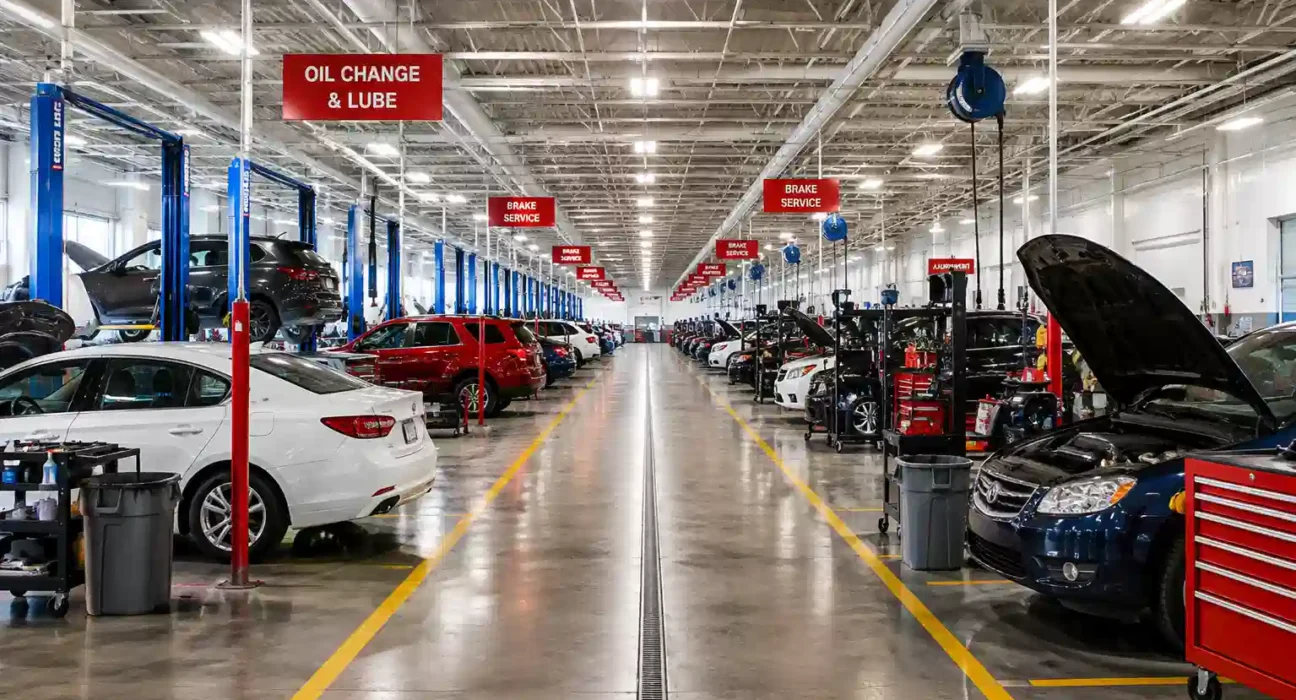
Collisions, rough weather, parking issues, and everyday wear and tear can all cause damage to vehicles, requiring professional repairs to ensure safety and aesthetics. Auto body repair shops specialize in repairing the exterior of cars that have been damaged as a result of an accident, denting, repairing bumpers, and restoring vehicle bodies, among other services. They are not just any mechanic, but they specialize in body damage and advanced procedures for repair after an accident. Many auto body shops also help with insurance claims and adhere to the manufacturers’ repair guidelines for quality outcomes. The selection of the repair shop is dependent on the certifications, experience, repair techniques, warranties offered, and familiarity with the vehicle.
Auto Body Shop Overview
| Auto Body Shop Basics | Details |
| Purpose | Repair damaged vehicles |
| Common Repairs | Dents, scratches, paint, bumpers, collision damage |
| Repair Cost | $100 to $20,000+ |
| Repair Time | 1 day to several weeks |
| Main Causes | Accidents, weather, parking damage |
| Specialists | Auto body technicians |
| Insurance Help | Estimates and claim support |
| Key Factors | Experience, certification, warranty |
What Is an Auto Body Shop?
An Auto Body Shop is a specialized repair shop that repairs vehicle bodies after wrecks, collisions, or cosmetic issues. These establishments are engaged in repairing or replacing exterior parts and getting the car back into safe operating condition.
Common auto body repair jobs involve:
- Repairing dents and scratches.
- Repairing collision damage
- Repairing Damaged Body Panel Replacement
- Restoring vehicle paint
- Repairing bumpers and fenders
- Straightening out damaged vehicle frame structure
- Installing new exterior components when they are damaged.
Newer vehicles come equipped with high-tech safety equipment, including sensors, cameras, and strengthened structure. This makes it essential for skilled mechanics to use the proper tools, information, and equipment to do a professional repair job.
An Auto Body Shop can be a stand-alone body shop, a dealership collision center, an insurance-recommended body shop, or a body shop that is a part of a body shop network.
Auto Body Shop Services Explained
Auto body shops have various levels of repair based on the damage. Some repairs simply include cosmetic enhancements, while others take a more comprehensive approach to structural restoration.
Collision Repair
One of the most popular services provided by auto body shops is collision repair. It is a process of repairing vehicles that are affected by collisions with other vehicles, objects, or road hazards.
Collision repair can consist of:
- Damage assessment
- Part replacement.Part replacement.
- Repair or replacement of body panels.
- Structural inspection
- Paint matching
- Final safety checks
A professional collision repair process typically kicks off with an examination of the entire damage extent. Damage to internal structures of vehicles may not manifest itself right away in some problems.
Dent Repair
Parking accidents, hail, or falling objects can cause dents, as well as minor collisions.
Auto body shops have to be ready to use various repair techniques depending on the severity, location, and size of the dent.
Common approaches include:
Traditional Dent Repair
Technicians use special tools to shape and bend broken metal. This technique is commonly employed when damage has been done to the paint, or there is more serious damage.
Paintless Dent Repair (PDR)
Paintless dent repair is a paintless way to repair some dents. It is usually used for dents that are smaller in size and have not affected the paint area.
If the damage is appropriate for PDR, then this method can be used to keep the original factory paint.
Vehicle Painting and Paint Matching
The repair of paint should be more than just painting over a damaged section. Auto body repair specialists have computer systems and special spray equipment to match the paint and create a uniform finish.
Paint services can be composed of:
- Scratch repair
- Partial panel painting
- Full vehicle repainting
- Clear coat application
- Color blending
A high-quality repair should leave a seamless transition between the damaged and undamaged parts, and should be the same color as the original car.
Bumper Repair and Replacement
Modern bumpers are engineered to absorb impact and might have vital parts like parking sensors, cameras, and safety systems.
When checking bumpers, auto body shops will look for:
- Cracks
- Structural damage
- Sensor damage
- Mounting issues
- Paint damage
Depending on the level of damage, the bumper might be able to be repaired or needs to be replaced as per safety rules and manufacturer guidelines.
Frame and Structural Repair
Structural damage is one of the most severe forms of auto damage.
The vehicle frame supports critical safety systems, and improper repairs may impact crash protection, alignment, and handling. Solving the problem of frame repair may be performed using:
- Measuring vehicle structure
- Straightening damaged areas
- Replacing structural components
- Checking alignment specifications
Structural repair shops have specialized equipment and measuring systems that are used to repair the structures found in modern vehicles.
Common Reasons People Visit an Auto Body Shop
Vehicle owners usually contact an auto body shop for several reasons:
| Situation | Common Repair Needs |
| Car accident | Collision repair, body panel replacement, paint work |
| Parking lot damage | Dent removal, scratch repair |
| Hail damage | Paintless dent repair |
| Damaged bumper | Repair or replacement |
| Scratches and paint issues | Refinishing and color matching |
| Older vehicle restoration | Body restoration and cosmetic improvements |
Understanding the type of damage helps customers communicate their needs and compare repair estimates more effectively.
Auto Body Shop Costs, Insurance Claims, and Repair Process
How Much Does an Auto Body Shop Cost?
Auto body shop repair costs are determined by a number of factors, such as the type of damage, vehicle make and model, the type of replacement parts needed, labor costs, and if the repair requires structural components.
There is no standard price for vehicle repairs, as each and every vehicle repair is unique. A small cosmetic repair is going to be a smaller labor cost compared to collision damage, whether it’s an airbag, sensor, or structural damage.
Factors that can impact repair costs are:
- The extent of damage and its type
- The age of the vehicle and its model.
- Cost of replacement parts
- Labor complexity
- Paint requirements
- Calibration of safety systems required.
- Manufacturer repair procedures
For instance, repairing a damaged bumper cover could be a less complicated process than repairing damage to the vehicle’s advanced driver assistance system or frame.
Owners should ask the vehicle owner for a detailed written quote, which includes parts, labour, materials and extras. This helps to make the recommendations for work more understandable.
Average Auto Body Repair Cost Estimates
| Repair Type | Estimated Cost |
| Minor Dent Repair | $100 – $500 |
| Scratch and Paint Repair | $150 – $1,000 |
| Bumper Repair | $300 – $1,500 |
| Bumper Replacement | $500 – $2,500+ |
| Body Panel Repair | $500 – $2,000 |
| Collision Repair | $2,000 – $10,000+ |
| Major Structural Repair | $5,000 – $20,000+ |
Note: The actual repair costs depend on the vehicle type, extent of damage, parts needed, labor costs, and repair site. A professional inspection is needed for an accurate estimate.
Factors That Affect Auto Body Repair Estimates
Labor Costs
Labor is one of the biggest components of some repair quotes. The time required to complete the repair will vary based on the complexity of the repair and may take several hours or days.
When technicians are required to:
- Replace several faulty parts
- Inspect hidden damage
- Repair structural areas
- Recalibrate electronic systems
- Carry out detailed painting tasks.
Labor rates may also vary by region in the U.S. depending on operating conditions and costs.
Replacement Parts
The cost of parts can vary greatly depending on the type of parts used.
- Auto body shops can use:
- OEM parts are parts that are manufactured by the automobile company
- OEM replacement parts are parts that are originally designed by the manufacturer for their products.
- Aftermarket parts
- If possible, use parts that have been reused or salvaged.
OEM parts are created by the manufacturer of the vehicle, and aftermarket parts are made by other manufacturers. This may be determined by parts availability and insurance requirements.
Customers should inquire with the repair shop if the parts they are looking at are included in the estimate, and if the parts are to the manufacturer’s specifications.
Paint and Refinishing Expenses
Professional paint work requires several steps, including surface preparation, colour matching, applying paint, and finishing.
There may be higher paint-related expenses due to:
- Special vehicle colors
- Multi-stage paint systems
- Larger damaged areas
- Blending requirements
- Additional preparation work
The goal of a proper paint repair is to protect the area being repaired and maintain the appearance of the vehicle as original.
How Auto Insurance Works With an Auto Body Shop
Following a collision, numerous vehicle owners deal with their insurance provider for repair expenses. This may vary in accordance with the insurance policy, type of coverage, state laws, and accident conditions.
Common steps include:
- Reporting the accident to the insurance company.
- Reviewing coverage details
- Accepting a damage assessment
- Selecting a repair shop
- Approving repair work
- The task of repairing and processing payments.
The consumer is free to pick their repair shop in the United States, although insurance providers may suggest a repair shop from within their repair network.
In advance of authorising big repairs, vehicle owners should check their insurance policy and get in touch with their insurance company.
Insurance-Approved Auto Body Shops
Numerous insurance companies run networks of repair shops that have certain criteria. These programs can be devised to make it easier for insurers to communicate with repair providers.
A network repair program can provide benefits such as:
- Easier claims coordination
- Face-to-face contact between shop and carrier.
- In the case of repair guarantees, the program offers them in some instances.
Yet, customers must read the repair plan thoroughly and ensure that the shop they are going to pick meets their expectations.
Even if a shop is recommended by insurance, it doesn’t necessarily imply it is the best shop for all vehicles. Customers should take into account the repair quality, certifications, reviews, warranties, and experience of the repair service for their specific vehicle.
The Auto Body Repair Process: Step by Step
Typically, there are a few stages in a professional repair process.
1. Vehicle Inspection and Damage Assessment
The first step is to discover visible and invisible damage.
Technicians inspect:
- Exterior panels
- Structural areas
- Mechanical parts that havehave been impacted.
- Safety systems
- Electronic components
Some damage is only apparent when damaged components are removed.
2. Repair Estimate Preparation
Once the vehicle has been inspected, the repair shop provides a quote describing the repairs that are recommended.
An estimate could provide information on:
- Parts needed
- Labor operations
- Paint materials
- Additional repairs
- Expected repair requirements
The shop can make a second repair estimate if further damage is found upon repairs.
3. Parts Ordering and Preparation
Upon approval of the repairs, the shop can order replacement parts and set up the vehicle for repair.
The time frame may vary based on:
- Part availability
- Vehicle model
- Repair complexity
- Insurance approval process
4. Body Repair and Replacement
Specialized equipment and repair procedures are used to repair damaged areas.
This phase can involve:
- Removing damaged components
- Straightening panels
- Installing replacement parts
- Repairing structural areas
- Surface preparation for painting surfaces
5. Painting and Finishing
Once the body has been repaired, the vehicle enters the refinishing stage.
Technicians may:
- Choose paint color to match
- Apply primer
- Paint repaired areas
- Add protective clear coating
- Confirm last coat of paint
6. Final Inspection and Vehicle Delivery
The repair shop is required to make quality checks before returning the car.
Final checks can involve:
- Panel alignment
- Paint quality
- Safety system operation
- Vehicle cleanliness
- Repair documentation review
Customers should review the completed repair and have questions before accepting the vehicle.
Read Also: Brickell Metrorail Station
How to Choose the Right Auto Body Shop
The choice of repair facility can have an impact on the overall quality of the repair, safety, and value of the vehicle.
Check Certifications and Training
When suitable, search for training and manufacturer certifications from industry-leading repair facilities.
Certifications may demonstrate certain training requirements and knowledge of specific repair procedures.
Review Experience With Your Vehicle Type
Certain vehicles may need specific repair skills due to special materials, technology, or construction.
Question the shop about their experience in repairing:
- Your vehicle brand
- Similar collision damage
- Advanced safety systems
- The material used is either aluminum or special materials.
Compare Written Estimates
Customers can keep multiple estimates to educate themselves about repair recommendations and costs.
If comparing estimates, pay attention to the total cost, not the final cost. The lower estimate might not cover all the necessary repairs, parts, and procedures.
Compare:
- Parts quality
- Repair methods
- Warranty information
- Included services
- Estimated timeline
Ask About Warranty Coverage
Numerous professional repair facilities will offer warranties for workmanship or particular repair services.
When approving repairs, ask:
- What is included in the warranty?
- How long does it take to get better?
- Is there any coverage for parts separately?
- Who is responsible for warranty claims?
The conditions of the warranty will differ from one repair shop to another, so it is best to check these conditions directly with the repair shop.
Certifications and Professional Standards in Auto Body Repair
A reputable auto body shop should adhere to the proper repair procedures, industry standards, and proper equipment, as well as training. The design of vehicles is constantly evolving, using sophisticated materials, driver assistance systems, and complex safety systems; professional training is more and more in demand.
A lot of repair shops are involved in certification programs in the industry or manufacturer training to increase the quality of repair.
I-CAR Training and Industry Education
The Inter-Industry Conference on Auto Collision Repair (I-CAR) offers training and educational programs to collision repair professionals.
I-CAR training includes training in the following areas:
- Collision repair procedures
- Vehicle technology updates
- Structural repair methods
- Safety system considerations
- Repair planning
Repair facilities can be contacted by the customer to ask about their technician training and whether the staff have experience in repairing the specific vehicle needs.
Read Also: Route 66 Texas Attractions
Manufacturer Certified Collision Repair Programs
There are some vehicle manufacturers that have a program they consider certified collision repair. Participating repair facilities are normally expected to adhere to some equipment, training, and repair procedure standards for these programs.
Manufacturer certification can include:
- The ability to get repair information.
- Specialized tools
- Technician training
- Facility requirements
- Quality standards
With newer vehicles, and those fitted with more sophisticated safety equipment, using manufacturer-recommended repair methods may be an important factor.
How Technology Is Changing Auto Body Repair
Today’s vehicles are equipped with state-of-the-art materials and electronics that are reshaping the collision repair industry.
Advanced Driver Assistance Systems (ADAS)
Advanced Driver Assistance Systems (ADAS) are available in many newer vehicles, including:
- Blind spot monitoring
- Lane departure warning
- Adaptive cruise control
- Forward collision warning
- Parking assistance systems
These systems may need to be inspected or recalibrated following some repairs to function properly.
These systems can be affected by a collision that impacts bumpers, windshields, cameras, sensors, and vehicle alignment.
Computerized Measuring Systems
Analytical tools are used that are based on digital measuring technology for the assessment of the vehicle’s structure in modern repair facilities.
These systems are designed to assist technicians:
- Identify structural damage
- Use manufacturer-specified measurement specifications to compare measurements.
- Confirm repair accuracy
Vehicles with complex safety structures are particularly important for the use of computerised tools for repair.
Aluminum and Advanced Materials Repair
Light-weight materials like aluminum and high-strength steel are adopted by many manufacturers to enhance the efficiency and safety of their vehicles.
They may need special repair techniques as they do not react in the same way as conventional steel.
Specialized repair will involve:
- Dedicated tools
- Controlled repair environments
- Technician training
- Manufacturer procedures
Some car repairs may be inappropriate for a shop that doesn’t have the proper equipment.
Common Mistakes to Avoid When Choosing an Auto Body Shop
Choosing Only Based on Price
The lowest ballpark figure is not necessarily the best. A repair quote might look cheaper, but it might not include the work, quality parts, or essential safety checks required.
Focus on:
- Repair quality
- Technician experience
- Warranty coverage
- Customer service
- Proper repair procedures
Ignoring Reviews and Reputation
Customer feedback can help you get insights into communication, repair quality, and experience with the service.
When checking over a shop, search for patterns, rather than one or two reviews.
Consider:
- Consistency of customer experiences
- Responses to complaints
- Repair quality feedback
- Professional communication
Not Asking Questions Before Repairs Begin
Communication is essential to prevent misunderstandings.
When considering approving work, customers should ask:
- What repairs are required?
- What components will be utilized?
- What is the maximum time for repairs?
- Does it come with a warranty?
- Are safety systems to be calibrated?
Tips for a Better Auto Body Repair Experience
The smoother the repair,r the better, and preparation is key.
Helpful steps include:
- Do take photos of damage to the vehicle.
- Keep paperwork relating to accidents neat and orderly
- Get a quote in writing
- Understand insurance coverage
- Keep in touch with the repair shop
- Check repairs before taking delivery
Repair records can also be beneficial for future vehicle repairs and resales.
Auto Body Shop vs. Mechanic: What Is the Difference?
It is important to differentiate between auto body repair and mechanical repair, since they require different skills.
| Service Type | Auto Body Shop | General Mechanic |
| Dent repair | Yes | Usually no |
| Paint restoration | Yes | No |
| Collision damage | Yes | Limited |
| Engine repair | Usually no | Yes |
| Transmission service | Usually no | Yes |
| Brake repair | Usually no | Yes |
| Body panel replacement | Yes | Limited |
The difference is that an auto body shop works with the appearance, structural, and collision repairs, while mechanics typically look at the vehicle’s operational systems.
Conclusion
An auto body shop is an integral part of the entire rehabilitation of vehicles following accidents, cosmetic damage, and exterior issues. Professional repair is not as simple as changing damaged sections. Today’s vehicles need trained techs, precise repair methods, and specific equipment to keep them safe and looking good.
Vehicle owners should look for a shop that meets the right repair standards, understands the warranty options, and review qualifications and compare estimates to select an appropriate repair facility. Doing a little bit of research can help you get better results and keep the vehicle’s value intact.
Read Also: Home Depot Charging Parking Fees Explained: Rumour, Reality, and Official Response
Slick City Action Park: Tickets, Prices, Attractions & Visitor Info
New Braunfels TX Landa Park: Springs, Trails & Family Attractions
Frequently Asked Questions
What does an auto body shop repair?
An automotive body shop works on damaged exterior and collision damage, such as dents, scratches, damaged bumpers, body panels, paintwork, and structural damage resulting from an accident.
How long does an auto body repair usually take?
It takes as long to repair as the damage, parts availability, repair complexity, and insurance approval process. Small repairs will be quicker, and big collision repairs will be a longer process.
Can I choose my own auto body shop after an accident?
In many cases, the car owner has options to select the repair shop he or she prefers. The insurance procedure may change, and customers need to check their insurance policy, and they should talk with their insurance company.
Should I use OEM parts for auto body repairs?
The vehicle manufacturer’s original parts, which may be preferred for certain repairs, are designed by the manufacturer. The most suitable mix is dependent on the car in question, the repair work required, the insurance plan,n and customer preferences.
How do I know if an auto body shop is reliable?
A good repair shop must have clear estimates, explain repair methods, have the proper equipment, communicate effectively, and have experience with your vehicle type.
What services does an auto body shop provide?
An Auto Body Shop will fix collision damage, dents, scratches, paint problems, damaged bumpers, body panels and structural damage to put a car back on the road.
How long do auto body repairs usually take?
Repair time is dependent on insurance approval, parts availability, repair complexity, and damage level. If it’s a small repair, it might be done in a short time, but if it is a big collision repair, it could take longer.