





Best Dog Food for Sensitive Stomach: 10 Top-Rated Choices for Every Breed

The first step to finding the best dog food for sensitive stomach is to understand your dog’s digestive system. Eating properly can minimize vomiting, diarrhea, gas, and loose bowel movements. Not all dog food is grain-free or limited-ingredient. The best option will depend on your dog’s age, their health, and their tastes in food. Search for a well-balanced formula that contains all of the ingredients that are easy to digest. If digestion issues persist, consult your veterinarian to rule out a health issue. This guide will tell you which food to pick and also provide a comparison of which are the best treat choices for a dog that has a sensitive tummy.
Quick Information: Best Dog Food for Sensitive Stomach
| Category | Quick Information |
| Focus Keyword | Best Dog Food for Sensitive Stomach |
| Best For | Dogs with sensitive digestion, food intolerances, mild gastrointestinal issues, loose stools, vomiting, or excessive gas |
| Common Symptoms | Vomiting, diarrhea, loose stools, bloating, excessive gas, stomach noises, reduced appetite |
| Top Ingredients to Look For | Salmon, lamb, turkey, whitefish, rice, oatmeal, sweet potatoes, pumpkin, probiotics, prebiotics, omega-3 fatty acids |
| Ingredients to Limit (If They Trigger Symptoms) | High-fat foods, artificial colors, artificial preservatives, rich table scraps, known individual food triggers |
| Food Types | Dry kibble, wet canned food, fresh food, limited-ingredient diets, prescription gastrointestinal diets |
| Recommended Life Stages | Puppy, Adult, Senior (choose a formula designed for the dog’s life stage) |
| Transition Period | Gradually switch foods over 7–10 days to reduce digestive upset |
| Prescription Needed? | Only for veterinary therapeutic gastrointestinal diets |
| Grain-Free Required? | No. Grain-free diets are not necessary for most dogs unless recommended by a veterinarian. |
| Probiotics | May help support gut health and healthy digestion in some dogs |
| Prebiotics | Help nourish beneficial gut bacteria and support digestive balance |
| AAFCO Statement | Look for a label stating the food is complete and balanced for your dog’s life stage |
| When to Visit a Veterinarian | Persistent vomiting, chronic diarrhea, blood in stool, weight loss, dehydration, severe abdominal pain, or symptoms lasting more than a few days |
| Average Price Range (U.S.) | Standard digestive-support diets: $40–$90 per medium-sized bag; veterinary therapeutic diets are often more expensive (prices vary by brand and retailer) |
| Popular Brands | Purina Pro Plan, Hill’s Science Diet, Royal Canin, Purina ONE, Freshpet |
| Buying Tip | Choose a food based on your dog’s specific digestive needs, life stage, ingredient tolerance, and your veterinarian’s advice—not just marketing claims. |
Why Dogs Develop Sensitive Stomachs

There is no official veterinary diagnosis for “sensitive stomach. Rather, it refers to chronic digestive distress resulting from ingestion of some foods or gastrointestinal ailments.
If your dog experiences symptoms regularly after meals and not at one time, it could be a digestive sensitivity.
Common signs include:
- Frequent vomiting
- Loose stools
- Chronic diarrhea
- Excessive gas
- Audible stomach noises
- Poor appetite
- Mild abdominal discomfort
- Inconsistent stool quality
When symptoms are severe, persistent, bloody, or if weight loss or dehydration is present, promptly seek veterinary medical attention, rather than make dietary changes.
What Causes Digestive Sensitivity?
There are a couple of different problems that can create almost the identical digestive indications.
Food Intolerance
Food intolerance is when the digestive system of a dog is unable to tolerate certain ingredients in food. It is not an immune reaction like food allergies.
The potential trigger ingredients are different for each dog and can include some proteins, dairy, or high-fat foods.
Sudden Food Changes
Quickly switching to a different diet can upset the healthy balance of gut bacteria.
A gradual transition is suggested, usually over a period of 7-10 days, and the new food is mixed in with the old food.
High-Fat Diets
High-fat foods can also cause digestive upset in some dogs and can also be harder to digest.
Fatty foods and table scraps can also cause vomiting or diarrhea.
Gastrointestinal Disease
Sometimes the digestive symptoms are signs of a medical condition and not a food sensitivity.
Examples include:
- Intestinal parasites
- Pancreatitis
- Inflammatory bowel disease (IBD)
- Gastrointestinal infections
- Exocrine pancreatic insufficiency (EPI)
The treatments vary from condition to condition, so if digestive problems continue, seek veterinary advice.
What Makes the Best Dog Food for Sensitive Stomach?
Marketing claims are tricky. Don’t look at the front of the package – look at the nutrition panel with objective measures.
Complete and Balanced Nutrition
First of all, the nutrition Adequacy statement.
The U.S. Food and Drug Administration (FDA) states that a food that is described as “complete and balanced” must either conform with AAFCO nutrient profiles or pass AAFCO feeding trials for the intended life stage.
Highly Digestible Ingredients
The ingredients in digestive-care formulas are generally more easily digestible to many dogs.
Examples include:
- Salmon
- Turkey
- Lamb
- Whitefish
- Rice
- Oatmeal
- Barley
No one protein is right for all dogs; there is a lot of variation among dogs with regard to ingredients.
Appropriate Fat Levels
Dogs that are sensitive to their digestion may have better toleration of a moderate-fat than high-fat formula.
The guaranteed analysis found on product labels will assist you with comparing fat content in food.
Prebiotic Fiber
Several digestive support formulas contain prebiotic fibers that support healthy gut bacteria.
Healthy bacteria in the gut promote:
- Stool quality
- Nutrient absorption
- Digestive balance
Probiotics
Some commercial diets include probiotics to help maintain a healthy digestive microbiome.
Not all strains of bacteria will cause illness, and some will under certain storage conditions, depending on the dog.
Comparison Table: Which Type of Dog Food Is Right?
| Diet Type | Best For | Advantages | Considerations |
| Limited Ingredient Diet | Dogs with suspected ingredient intolerance | Fewer ingredients make elimination diets easier | Does not diagnose food allergies |
| Sensitive Digestion Formula | Mild digestive sensitivity | Highly digestible ingredients with added digestive support | May not help dogs with medical GI disorders |
| Hydrolyzed Protein Diet | Dogs with confirmed adverse food reactions | Proteins are broken into smaller components | Usually recommended under veterinary supervision |
| Veterinary Prescription GI Diet | Chronic digestive disease | Formulated for specific gastrointestinal conditions | Requires veterinary guidance |
| Fresh or Gently Cooked Diet | Selected healthy dogs under veterinary guidance | Highly palatable and digestible for some dogs | Nutritional balance should be verified |
How to Read a Dog Food Label Like a Veterinarian
Some purchasers only look at the ingredients, but specialists say it’s best to study the label.
Look for:
- A nutritional adequacy statement that it is a complete and balanced food.
- Correct life stage (puppy, adult or all life stages).
- Feeding directions.
- Guaranteed analysis.
- Manufacturer contact information.
The AAFCO states that it will not certify specific pet foods. Rather, consumers should check the ‘nutritional adequacy statement’ found on the package to see if a product is nutritionally adequate.
Common Ingredients That May Trigger Digestive Upset
Though some foods are poisonous to all dogs, others do not tolerate certain foods.
Potential triggers include:
- Very fatty foods
- Sudden dietary changes
- Certain protein sources
- Dairy products
- Rich human foods
- A lot of candies
If food intolerance is suspected, veterinarians may recommend a structured food trial rather than the elimination of ingredients at random.
Research complete. Here are the product section items for your article based on authoritative veterinary information and current information on products.
The 10 Best Dog Foods for Sensitive Stomachs (Evidence-Based Reviews)
No one dog food works for all dogs who have digestion problems. The best option will depend on your dog’s age, medical history, and which ingredients the dog may be sensitive to, as well as how active your dog is and whether it is a digestive upset caused by an allergy to the food or a medical condition. Before changing brands, it is recommended that the American Kennel Club (AKC) work with a veterinarian to find out what is causing the problem.
Purina Pro Plan Sensitive Skin & Stomach Salmon & Rice Formula

Best Overall
Purina Pro Plan Sensitive Skin & Stomach is an over-the-counter dog food that is often recommended for dogs with mild digestive sensitivity. It contains a high concentration of salmon as a protein source, guaranteed live probiotics for digestive and immune support, and oatmeal and rice for digestible carbohydrates. A complete and balanced formula for adult dogs.
Pros
- Salmon-first recipe
- Highly digestible ingredients
- Contains live probiotics
- Promotes healthy skin and digestive system
Cons
- May not be appropriate for dogs requiring a prescription gastrointestinal diet
Best for: Mild digestive upset & sensitive skin in adult dogs.
Hill’s Science Diet Sensitive Stomach & Skin
Best for Digestive and Skin Health
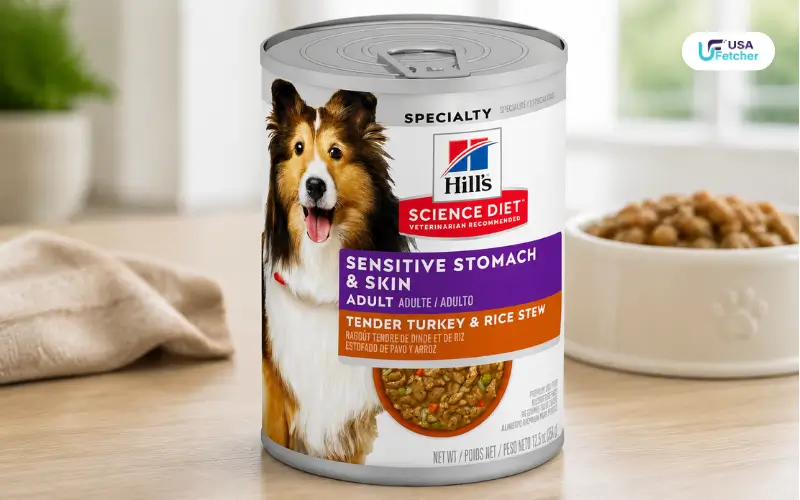
This ingredient-based formula helps support healthy gut bacteria with highly digestible ingredients and prebiotic fiber, which also promotes healthy skin. It also has vitamin E and omega-6 acids to help maintain skin and coat health.
Pros
- Easy-to-digest formula
- Supports gut microbiome
- Trusted veterinary brand
Cons
- More expensive than some of the common kibble choices
Ideal for: Dogs who experience frequent upset stomachs and skin irritations.
Royal Canin Digestive Care
Best for Stool Quality
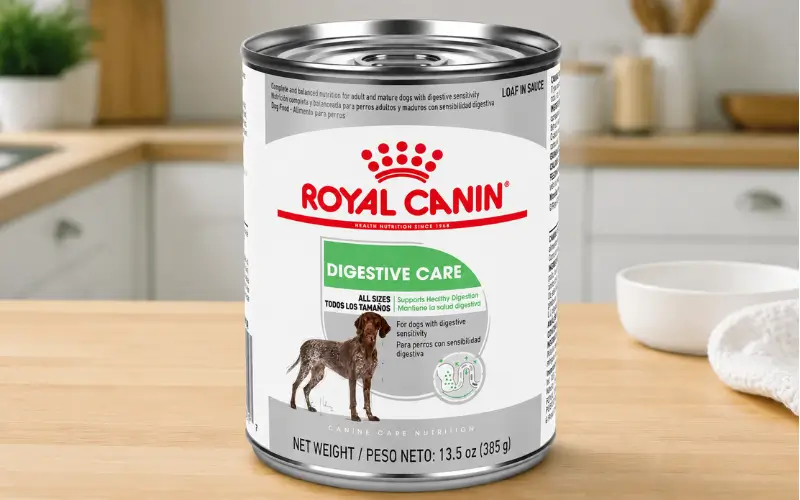
Royal Canin Digestive Care is formulated to support healthy digestion with easily digestible protein and a well-balanced mix of dietary fibre. Manufacturers and veterinarians say it maintains good stool consistency in healthy adult dogs.
Pros
- Balanced fiber blend
- Excellent quality control
- Highly digestible proteins
Cons
- Premium price
Ideal for: Everyday digestive support in dogs.
Hill’s Prescription Diet i/d
Best Prescription Diet
Hill’s Prescription Diet i/d is formulated for dogs diagnosed with gastrointestinal disorders such as acute digestive upset or chronic GI disease. It is a therapeutic diet and should only be given under the supervision of a veterinarian.
Pros
- Therapeutic gastrointestinal nutrition
- Highly digestible
- Veterinarian recommended
Cons
- Prescription required
Not recommended for: Healthy dogs.
Royal Canin Gastrointestinal

Best Veterinary Formula
The Royal Canin Gastrointestinal diet is designed for dogs that have gastrointestinal disorders that require veterinary nutritional management. They are formulated to facilitate nutrient assimilation and digestion on the advice of professionals.
Pros
- Veterinary therapeutic formula
- Highly digestible nutrients
- Supports digestive recovery
Cons
- Veterinary supply – contact your veterinarian
Purina Pro Plan Veterinary Diets EN Gastroenteric
Best for Long-Term Digestive Management
Purina Pro Plan Veterinary Diets EN Gastroenteric is a complete dog food made with ingredients that are easily digestible to dogs with gastrointestinal issues. Meant for veterinary purposes.
Pros
- Easily digestible
- Complete and balanced
- Veterinary formulation
Cons
- Prescription diet
Hill’s Science Diet Perfect Digestion
Best for Healthy Gut Microbiome
This formula includes a prebiotic fiber to support healthy gut bacteria and digestive health in healthy adult dogs.
Pros
- Supports regular stools
- Digestible ingredients
- Offered in various types of breeds.
Cons
- May not be suitable for dogs with diagnosed GI disease
Purina ONE +Plus Digestive Health Formula

Best Budget Option
Purina ONE +Plus Digestive Health offers a complete and balanced digestive formula with probiotics and is a more affordable option than some high-end digestive formulas.
Pros
- Affordable
- Added probiotics
- Widely available
Cons
- Fewer digestive special ingredients than higher-quality formulas
Freshpet Vital Digestive Health Recipes
Best Fresh Food Option
Freshpet is the fresh food alternative to frozen food with fresh recipes. There are digestive formulas for dogs that require an alternative to their regular fresh food, but owners should verify the formula they choose is complete and balanced for their dogs’ stage of life. Pros
- Fresh ingredients
- Highly palatable
- High moisture content
Cons
- Requires refrigeration
- More expensive
Limited-Ingredient Diets (When Recommended by Your Veterinarian)
Limited ingredient diets are diets that limit the amount of potential dietary triggers and can be helpful in conducting food trials if an ingredient intolerance is suspected. It is best to use elimination diets under the supervision of a veterinarian, not to switch foods over and over without a plan.
Pros
- Assists in determining ingredient allergies
- Simplified ingredient list
Cons
- While some dogs require one, others do not.
These recommendations feature brands and kinds of diets that have veterinary support and are popular for digestive health. These should not be used in place of any dog’s specific veterinary treatment or advice, particularly if the dog has chronic vomiting, persistent diarrhea, weight loss, or other indications of gastrointestinal disease.
The content of Neeche wala has been based on current veterinary advice and authoritative sources (mainly American Kennel Club and life-stage nutrition advice).
Dry vs. Wet vs. Fresh Dog Food Comparison
There is no one single type of food that will work for all dogs with sensitive stomachs. The choice will vary according to the age of your dog, how much water they need, their chewing habits, medical conditions, and digestive health. The key is not to just select one food format over another, but to opt for a complete and balanced diet that contains digestible ingredients, AKC says.
| Feature | Dry Food (Kibble) | Wet Food (Canned) | Fresh Food |
| Best For | Most healthy adult dogs | Dogs needing extra moisture or easier chewing | Dogs whose diets are planned with veterinary guidance |
| Moisture | Low | High | High |
| Cost | Usually the most affordable | Moderate to high | Typically the most expensive |
| Storage | Easy; long shelf life | Refrigerate after opening | Requires refrigeration or freezing |
| Digestibility | Depends on the formula | Often easier for some dogs to eat | Varies by recipe and manufacturer |
| Dental Benefits | May help reduce plaque when combined with regular dental care | Minimal | Minimal |
| Complete Nutrition | Yes, when labeled complete and balanced | Yes, when labeled complete and balanced | Verify that the recipe is complete and balanced |
Important: If your dog has a sensitive stomach, it does not automatically mean that you must give them fresh or wet food. Many flourish on a high-quality dry digestive formula.
Choosing the Right Food by Life Stage
Puppies

Because puppies grow quickly, they have different nutritional needs than an adult dog. They need growth-specific formulas containing proper amounts of protein, fat, calcium, phosphorus, and DHA for proper brain and bone growth. For large-breed puppies, eat food made for controlled growth, which will help prevent bone and joint issues.
Look for:
- Puppy-specific formula
- Easily digestible protein
- DHA for brain development (0-2 years).DHA for brain development (0-2 years)
- Complete and well-balanced diet.
- We need to consider the calcium and phosphorus levels to be appropriate.
Adult Dogs

Sensitive stomachs are typically suited to highly digestible proteins, moderate fat, and a prebiotic fiber or probiotics added to their diet. Its purpose is to help achieve good stool consistency and to provide adequate nutrition on a day-to-day basis.
Look for:
- Moderate fat content
- High-quality protein
- Rice or oatmeal, which are carbohydrates that can be digested.
- Prebiotic fiber
- Probiotics when appropriate
Senior Dogs

As dogs get older, they may have alterations in their activity, appetite, and dental issues. Elderly dogs might want wet food as it is softer and easier to chew. The best senior diet will vary based on the dog’s appetite, medical history, and body condition.
Look for:
- For seniors, there is a formula that will be used (if recommended)
- Moderate calorie content
- Easily digestible ingredients
- With appropriate use, provide joint-support nutrients. Supply joint-support nutrients as needed.
- Quality protein to support Muscle maintenance:
Feeding Transition Schedule
One of the most frequent causes of dogs getting an upset tummy is a sudden change in food. AKC advises introducing the new food over approximately 10 days, gradually increasing the new food added to the existing diet.
| Days | Current Food | New Food |
| Day 1–2 | 90% | 10% |
| Day 3–4 | 75% | 25% |
| Day 5–6 | 50% | 50% |
| Day 7–8 | 25% | 75% |
| Day 9–10 | 10% | 90% |
| Day 11 | 0% | 100% |
Note: If the dog gets very sick, with severe vomiting or diarrhea, fails to eat, or becomes lethargic while changing the diet, DO NOT continue the diet change and call the veterinarian.
Common Mistakes to Avoid
Even with a good diet, digestive problems will not get better if feeding methods are inadequate.
Switching Foods Too Quickly
Sudden diet shifts can lead to disruptions in the gut system and aggravate digestion. Add foods slowly over a period of 10 days.
Feeding Too Many Treats
Giving treats and table scraps can make it hard to know what is causing digestive upset and can interfere with elimination diets.
Choosing Food Based Only on Marketing
Premium, natural, or holistic does not mean better digestibility. Rather, look for a comprehensive, well-rounded nutritional statement and talk with your vet.
Ignoring Life Stage Requirements
Puppy, adult, and senior dog nutrition requirements differ. Feeding the wrong life-stage formula may result in nutritional imbalances.
Assuming Every Sensitive Stomach Is a Food Allergy
Digestive symptoms may be caused by parasites and infections, pancreatitis, inflammatory bowel disease, stress, and other medical conditions. Sometimes it is necessary to get a vet’s opinion before food changes.
Not Reading the Nutritional Adequacy Statement
Avoid only the choices that have claims on the front of the package; look for complete and balanced foods for your dog’s life stage.
Conclusion
Choosing the best dog food for sensitive stomach can make a big difference in your dog’s digestive health and overall well-being. The appropriate diet should consist of adequate and balanced nutrients and should be made of digestible ingredients. Add in any new food slowly and watch your dog’s stool, appetite, energy level, and response as you introduce the new food. Keep in mind that each dog’s nutritional requirements differ and each dog may not respond to the same diet. If your dog still vomits, has diarrhea, is losing weight, or has other digestive issues after switching foods, check in with your veterinarian. Most dogs with sensitive stomachs can have healthier digestion and enjoy a happier, more active life with the right diet, proper feeding routine, and professional guidance.
Must Read: 20 Best Dog Beaches in the USA for 2026
Pointe Shopping Mall Orlando: Visitor Guide for Shopping, Dining
Giraffe Calf Euthanized Seneca Park Zoo: What Veterinarians Found
Frequently Asked Questions
What is the best dog food for a sensitive stomach?
No one particular diet will work for all dogs. It depends on the reason for the digestive upset, the age of your dog, and your veterinarian’s advice.
How long does it take to see improvement after changing dog food?
In a few days, some dogs will improve; others may require a few weeks to assess the new dietary regimen. It is crucial to be consistent in the transition.
Should I stop giving treats?
If you have digestive symptoms, give treats as little as possible during an elimination diet or when introducing a new food to help identify if the digestive symptoms are due to the main diet or not.
Is homemade food better?
In some situations, homemade meals might be beneficial; however, homemade diets should be planned under veterinary advice to ensure adequate and balanced nutrition on a long-term basis.
Is wet food better than dry food?
There is no definite winner. Dry food can be nutritionally balanced, inexpensive and convenient, but may be harder for some dogs to eat; wet food has more moisture content and might be easier for some dogs to eat.
When should I contact a veterinarian?
Contact your veterinarian if your dog vomits more than once, has chronic diarrhea, blood in the stool, is losing weight, is becoming dehydrated, is experiencing intense abdominal pain, or symptoms don’t improve after a diet change.