






Best Places to Visit in Ireland for an Unforgettable Journey

Ireland is a country of dramatic Atlantic coastlines, ancient castles, historic cities, and breathtaking natural landscapes. The best places to visit in Ireland include world-famous destinations such as Dublin, the Cliffs of Moher, Killarney National Park, Galway, and the Giant’s Causeway, offering travelers a perfect combination of history, culture, and outdoor adventure.
From thousands of years of history, UNESCO World Heritage sites to scenic coastal drives and traditional villages, Ireland offers experiences beyond the scope of a typical vacation. Visitors will be able to see medieval towns, stroll the ocean cliffs, see ancient monuments, hear traditional Irish music, and immerse themselves in landscapes which have made Ireland one of the most memorable travel destinations in Europe.
Why Ireland Is One of the Most Popular Travel Destinations
The country’s natural beauty, its cultural heritage and traditions, and its historical sites make it a popular tourist destination, drawing in millions of tourists every year. Within a few hours, one can travel from a bustling urban environment to tranquil countryside, rugged mountains, and coastal terrain.
The ancient history, Celtic traditions, literary heritage, and relationship with nature of the country form the country’s identity. Whether it’s the prehistoric monuments built thousands of years ago or the modern cultural cities, Ireland has something to offer history buffs, adventurers, families, and photographers.
Some of the leading attractions to travel to Ireland include:
- These are some of the most dramatic coastlines along the Atlantic Ocean. These are some of the most dramatic coasts along the Atlantic Ocean.
- Historic castles, churches and archaeological sites
- National parks and hiking and wildlife opportunities.
- Local music, festivals and culture
- Amidst villages and countryside, scenic road trips.
One of the world’s longest defined coastal touring routes, The Wild Atlantic Way is a major attraction for visitors who wish to explore the coastline, beaches, cliffs and small communities of Ireland.
Dublin: The Historic Capital and Cultural Center of Ireland
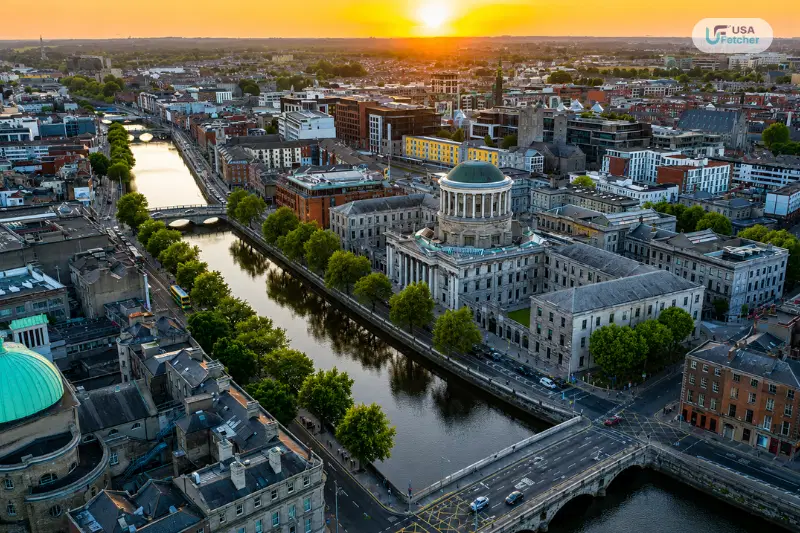
Dublin, the capital of Ireland, is the primary gateway for many international visitors. The city is on the east side of the River Liffey and has a wealth of history and contemporary attractions, entertainment, shopping, and culture.
The city boasts of its literary heritage, historical architecture, museums, traditional pubs, and its tolerance. Dublin is a great introduction to Irish culture for visitors before they travel around the country.
Top Attractions to Visit in Dublin
| Attraction | Details |
| Trinity College | Founded in 1592, Ireland’s oldest surviving university and home of the famous Book of Kells |
| Guinness Storehouse | A popular attraction explaining the history and production of Ireland’s famous stout |
| Dublin Castle | Historic site that played an important role in Irish administration and government |
| Phoenix Park | One of Europe’s largest enclosed public parks covering about 707 hectares |
| St. Patrick’s Cathedral | Historic cathedral connected with Ireland’s patron saint |
Trinity College and the Book of Kells
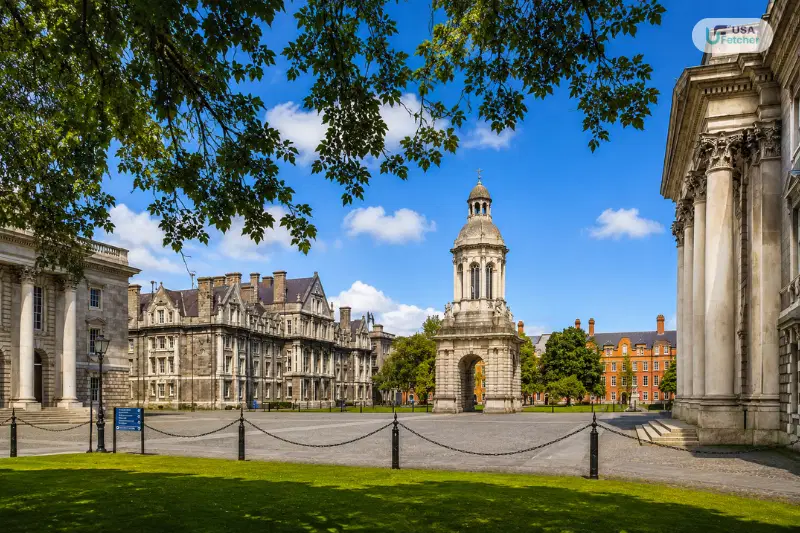
Trinity College is one of the most important historic sites in Dublin. It was established in 1592 and is renowned for the Old Library and the Book of Kells, an illuminated manuscript made in the ninth century by Celtic monks.
The Book of Kells is one of Ireland’s most significant cultural gems and is a popular tourist attraction for those interested in medieval history, art, and religious heritage.
Guinness Storehouse Experience
The Guinness Storehouse is one of the most popular attractions in Dublin. The seven-storey visitor experience, housed in the historic St. James’s Gate Brewery, tells the story of Guinness from its origins in the 18th century, through to its global success.
It’s also a popular attraction for first-time visitors thanks to its rooftop Gravity Bar, which gives visitors a panoramic view of Dublin.
Why Dublin Should Be on Your Ireland Itinerary
Dublin is a place more than just an arrival point. Everything from history, nightlife, museums, architecture, and local experience makes this city a worthwhile few days’ visit.
There are short walks through the old town which lead to traditional Irish music sessions, museums, and tours to local coastal destinations like Howth and Dalkey.
Cliffs of Moher: Ireland’s Most Famous Natural Attraction
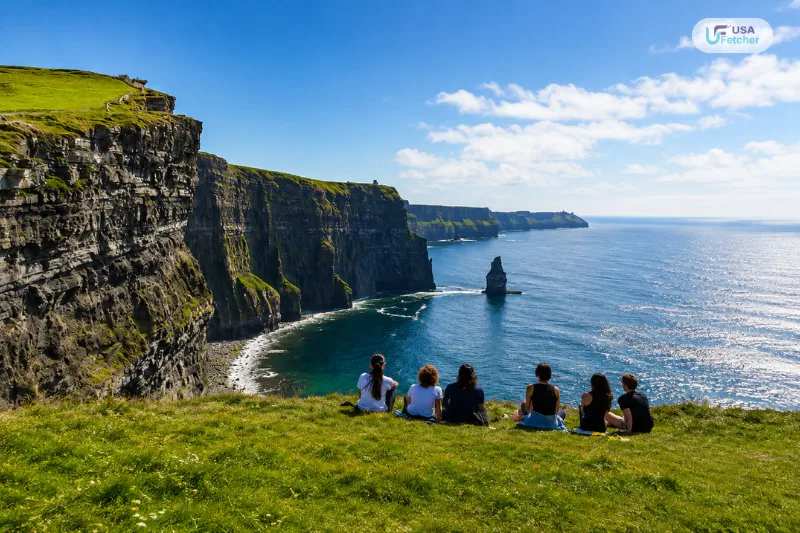
The Cliffs of Moher are one of Ireland’s most famous natural wonders, situated in County Clare, on the west coast of Ireland. These cliffs are soaring high above the Atlantic Ocean, giving some of the best coastal views in Europe.
The cliffs extend for about 14 kilometers along the coastline, with the highest elevation being about 214 meters above sea level.
What Makes the Cliffs of Moher Special?
The Cliffs of Moher are well known for their natural beauty, geological significance, and wildlife. The rock formations have been shaped over millions of years and tell stories of the geologic history.
The cliffs are also home to a variety of seabird species, some of which are only found here as far north as the UK, and are important for tourism and conservation, not least because of the presence of Atlantic puffins in certain seasons.
Visitors can enjoy:
- Atlantic Ocean viewpoints
- Trekking routes all around the sea.Coastal walks.
- Aran Islands on a clear day (views)
- Photography opportunities
- Visitor shows exhibiting geology and wildlife.
The attraction is part of the Burren and Cliffs of Moher UNESCO Global Geopark as it has unique geological and natural values.
Best Way to Experience the Cliffs of Moher
The majority of visitors visit the viewpoints and walk the trails around the cliffs for several hours. There are safe viewing areas in the main visitor area, and longer hikes will give visitors a chance to see more of the Atlantic coastline.
Ireland has an ocean climate, which can mean that things can change rapidly. Year-round: Waterproof clothes and comfortable walking shoes are recommended.
The Cliffs of Moher are frequently paired with other local attractions like Galway, the Burren landscape, and the traditional villages in County Clare.
You may Also Like to visit: New Braunfels TX Landa Park: Springs, Trails & Family Attractions
Killarney National Park: Lakes, Mountains, and Natural Beauty
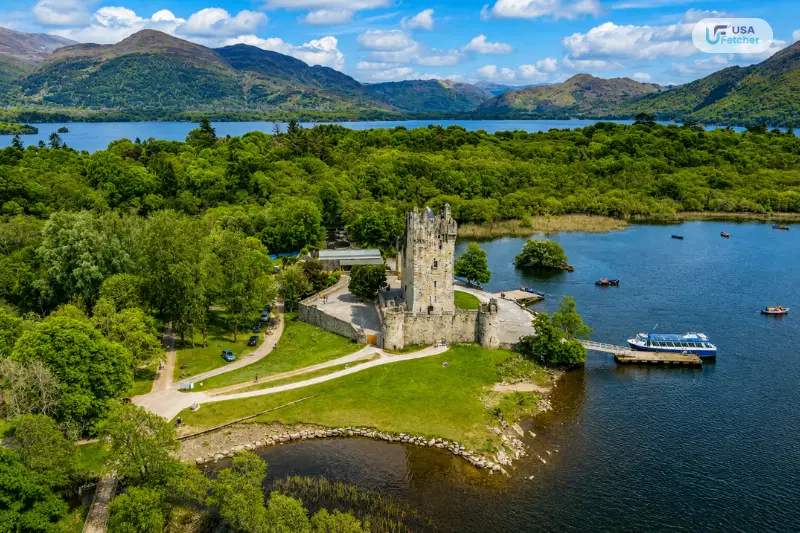
Killarney National Park is one of Ireland’s most renowned outdoor facilities, in County Kerry. It was opened in 1932 and is Ireland’s first national park, spanning over 10,000 hectares of mountains, forests, lakes, and wildlife habitats.
One of the most comprehensive places to visit for natural beauty and Irish history, the park is celebrated for its fusion of the two.
Main Highlights of Killarney National Park
| Attraction | Information |
| Lakes of Killarney | Three famous lakes surrounded by mountains and woodland |
| Torc Waterfall | Popular waterfall located near walking trails |
| Muckross House | Victorian mansion surrounded by gardens and parkland |
| Ross Castle | Historic 15th-century tower house beside Lough Leane |
| MacGillycuddy’s Reeks | Ireland’s highest mountain range located nearby |
Wildlife and Outdoor Activities
Killarney is one of the top areas of Ireland to experience natural environments. The park is home to several wildlife species, including Ireland’s unique red deer population.
Popular activities include:
- Trekking through the woods and mountains.
- Riding around the park trails
- Lake cruises for all lakes except the Danube.
- Visiting historic buildings
- Photography and observation of wildlife
Connection With the Ring of Kerry
Killarney is also the starting point on the famous Ring of Kerry, which traverses the mountains, coastal regions, villages and historic sites.
Killarney is a popular stop on Ireland’s road trip due to its access to some of the nation’s most dramatic scenery and outdoor adventures.
Galway: A City of Music, Culture, and Atlantic Charm
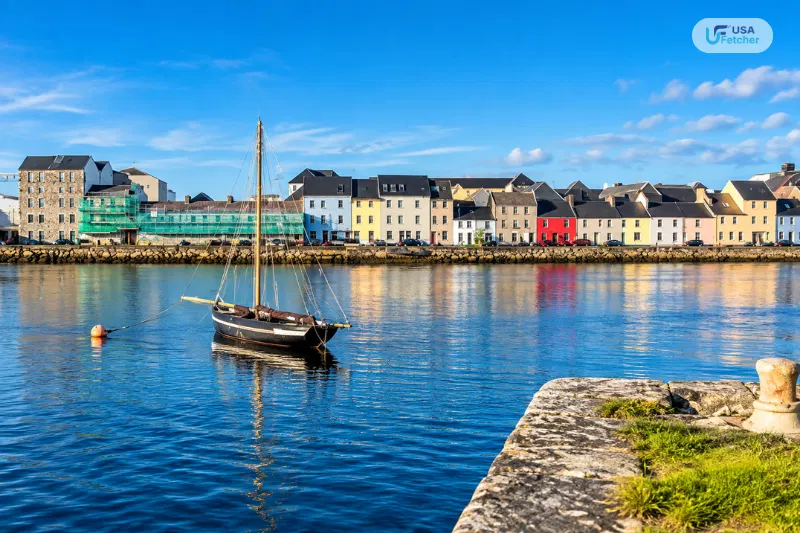
Galway is one of Ireland’s most beautiful cultural hotspots on the west coast of the country. Galway, which is colloquially called the “City of Tribes”, has a great reputation for Traditional Music, Festivals, arts, and Historic Streets.
The city is located on the shores of Galway Bay and is a hub for accessing the west, such as Connemara National Park, the Aran Islands, and the Cliffs of Moher.
Best Places to Visit in Galway
| Attraction | Details |
| Latin Quarter | Historic district known for colorful streets, restaurants, and music venues |
| Eyre Square | Central public park and popular meeting place |
| Spanish Arch | Historic structure connected with Galway’s medieval walls |
| Galway Cathedral | Major city landmark near the River Corrib |
| Galway Bay | Scenic coastal area with Atlantic views |
Why Travelers Love Galway
Galway is a place that offers embodied Ireland: street entertainers, traditional pubs, local markets and festivals. Galway is a relaxed city where visitors can enjoy a large number of the city’s attractions by walking.
The city is also renowned for its association with the Irish language and traditions. Many people visit Galway as a key destination on their tour of Ireland for its culture, cuisine, and scenic coastline.
Giant’s Causeway: A UNESCO World Heritage Coastal Wonder
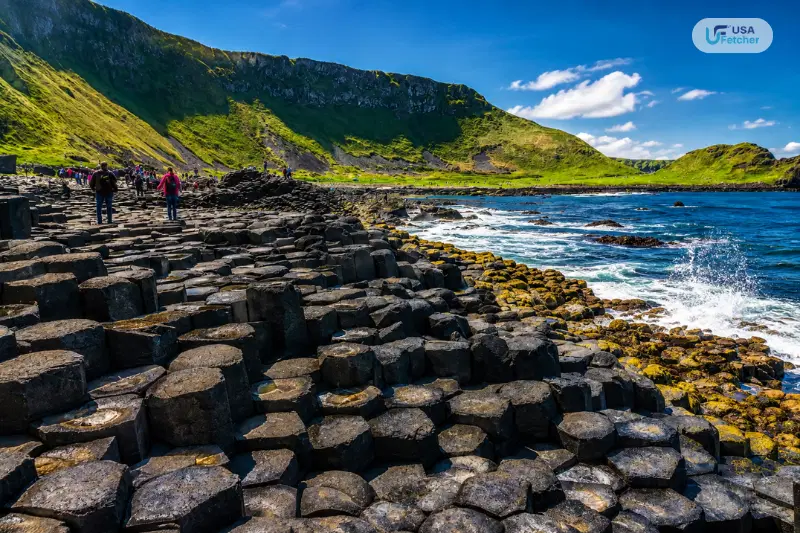
The Giant’s Causeway is one of the most stunning natural wonders of the island of Ireland and is situated on the north-east coast of Northern Ireland in County Antrim. This sea front area is known for its numerous basalt columns that interlock, as well as for its geology, photography, history and ocean views.
In 1986, Northern Ireland’s most outstanding geological importance was designated the site of the first UNESCO World Heritage Site in Northern Ireland. The strange rock formations are thought to have formed about 60 million years ago, as layers of lava, formed by volcanic activity, cooled into the rock shapes that can be seen today.
What Makes Giant’s Causeway Unique?
The Giant’s Causeway features some 40,000 basalt columns, many of which are naturally hexagonal in shape. The formations give one of the most distinctive landscapes in Ireland, and offer a unique chance to witness the effects of ancient volcanic activity.
Visitors can enjoy:
- Walking trails on the coast to the ocean.
- The well-known basalt column formations
- Cliffside photography sites
- Exhibitions and displays for visitors that explain the geology of the area.
- Close-by castles and sea sights
Irish mythology associates the Giant’s Causeway with a legendary figure – the warrior Fionn mac Cumhaill (Finn McCool) who is said to have built the causeway. While this story is a part of Irish mythology, scientific research helps to explain the formations, which were created by volcanic activity.
Nearby Attractions Around Giant’s Causeway
| Attraction | Highlights |
| Dunluce Castle | Medieval castle ruins overlooking the Atlantic coastline |
| Carrick-a-Rede Rope Bridge | Historic coastal bridge with sea views |
| Bushmills Distillery | One of the world’s oldest licensed whiskey distilleries |
The natural beauty, history, and sea adventures make Giant’s Causeway one of the best places to visit in Ireland.
Ring of Kerry: Ireland’s Ultimate Scenic Road Trip
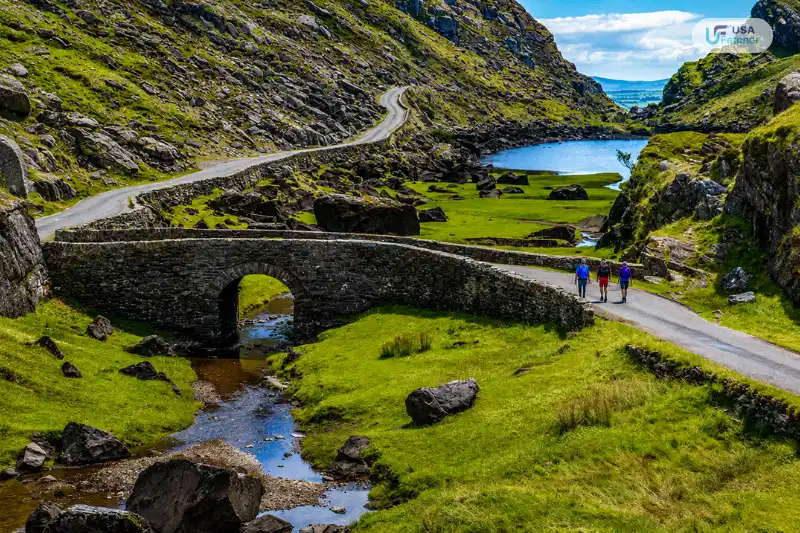
One of Ireland’s most popular scenic drives, the Ring of Kerry stretches along the southwest coast of County Kerry. The circular tour covers about 179 km (111 miles) through mountains, beaches, coastal villages, lakes, and historic places.
It is one of the best ways of experiencing the countryside and coastal beauty of Ireland and is part of the Wild Atlantic Way.
Highlights of the Ring of Kerry
| Location | Experience |
| Killarney | National park, lakes, historic attractions, and outdoor activities |
| Kenmare | Charming town known for food, crafts, and colorful streets |
| Cahersiveen | Coastal town with historic landmarks and scenic views |
| Portmagee | Village offering access to Skellig Michael viewpoints |
| Ladies View | Famous viewpoint overlooking Killarney’s lakes and mountains |
Best Way to Explore the Ring of Kerry
To drive is the most flexible choice, as tourists can stop at viewpoints, beaches, villages, and historical points of interest on the way. Rental cars offer more flexibility and freedom, particularly for those visiting and looking for more intimate places to explore.
For those who like the idea of a guided tour, tours are offered as well.
The route can be covered in one day, but if you have two or more days to spare, you could explore the area at a leisurely pace. Hiking trails, coastal walks, local restaurants and traditional villages are available for travelers to enjoy throughout the trip.
Connemara National Park: Ireland’s Untouched Natural Landscape
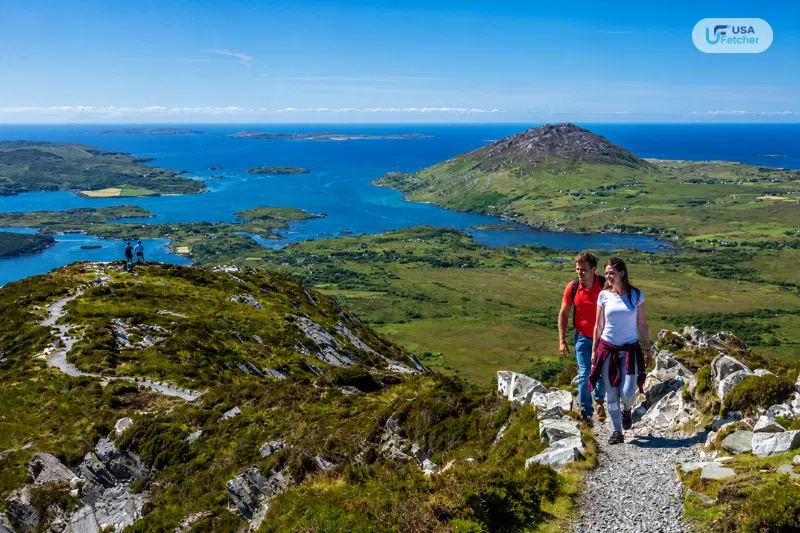
Located in County Galway, Connemara National Park is one of Ireland’s most beautiful natural areas. The park was set up in 1980 and has an area of about 2,000 ha, which includes mountains, grassland, forests and bogs.
The area is renowned for its natural beauty, its inhabitants’ way of life, and its tranquility. It’s perfect for tourists who wish to enjoy the natural environment of Ireland outside of the hustle and bustle of the cities.
Main Attractions in Connemara National Park
| Feature | Details |
| Diamond Hill | Popular hiking destination with panoramic views |
| Twelve Bens | Mountain range creating dramatic scenery |
| Bog Landscapes | Important natural habitats unique to western Ireland |
| Wildlife | Home to native birds, mammals, and plant species |
Hiking and Outdoor Experiences
One of the most popular attractions in the park is Diamond Hill. Walking trails have views over mountains, sea, and islands nearby.
They can also travel to the other areas nearby, including:
- Kylemore Abbey
- Clifden town
- The route from the sky along the coast.
- Traditional Irish-speaking communities
The scenic and breathtaking landscapes of Connemara are still there, but the journey is much more serene.
Cork: Food, Heritage, and Coastal Adventures
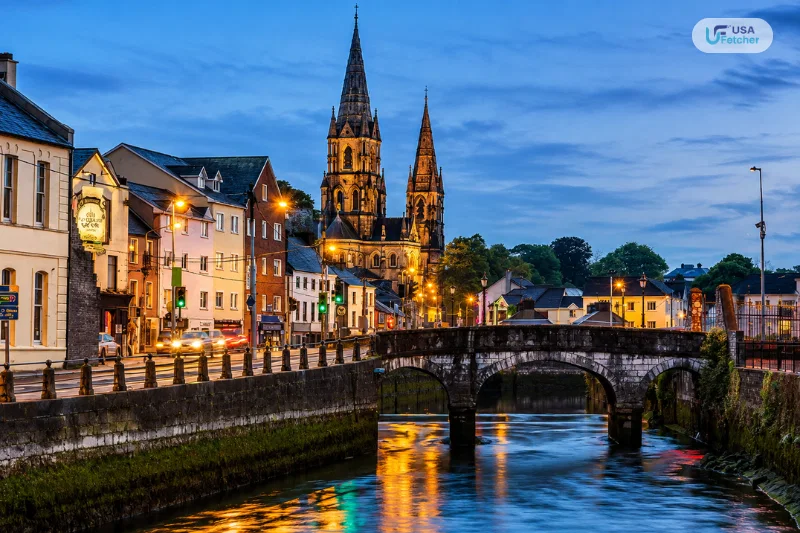
Cork, Ireland’s second-largest city and one of the nation’s greatest cultural and culinary attractions. The city is situated in the south of Ireland and offers historic streets, waterfronts, markets, and easy access to coastal towns.
There are also other attractions in County Cork such as castles, fishing villages, beaches, and scenery.
Top Attractions in Cork
| Attraction | Key Information |
| English Market | Historic indoor food market operating since 1788 |
| Blarney Castle | Medieval castle famous for the Blarney Stone tradition |
| Cobh | Historic harbor town connected with maritime history |
| Kinsale | Coastal town known for seafood and colorful streets |
| Cork City Centre | Area with restaurants, museums, and cultural attractions |
Exploring Blarney Castle
Blarney Castle is one of Ireland’s most popular historic sites. The castle was constructed in the 15th century by the MacCarthy dynasty, and is visited by tourists for the Blarney Stone.
In Irish folklore, kissing the stone confers on the person the “gift of eloquence.” This is local legend, but the castle is a significant medieval Irish building.
Why Cork Is Worth Visiting
Cork is a different place to Dublin and Galway. The city offers urban entertainment and is surrounded by countryside and coastal destinations.
Historic sites are available for visitors to explore, local food is to be enjoyed, local markets are to be visited, and trips to nearby areas like Cobh and Kinsale are to be taken.
Kilkenny: A Medieval City Full of History
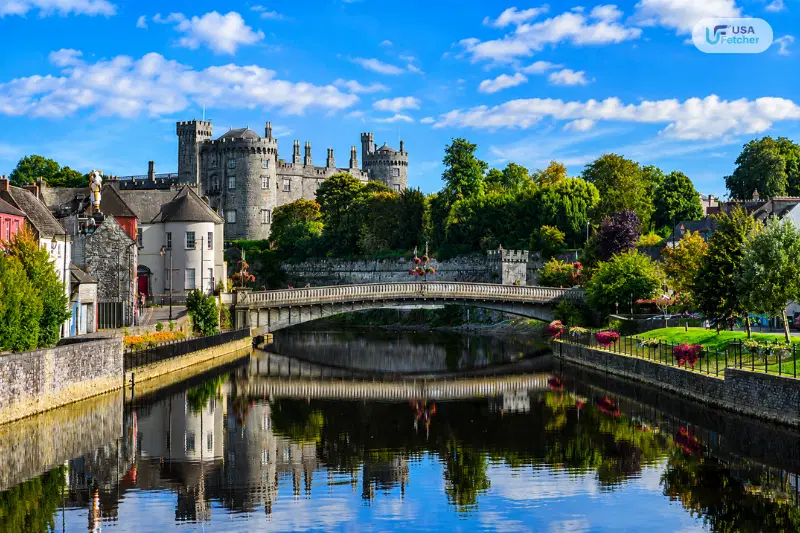
Kilkenny is one of Ireland’s best-preserved medieval towns. It’s in the southeast of the country; it’s well-known for its historic streets, cultural attractions, craft traditions, and its castle.
The city’s small size makes it easy for visitors to see many of the significant sites by walking.
Main Attractions in Kilkenny
| Attraction | Details |
| Kilkenny Castle | Historic castle originally built in the 12th century |
| Medieval Mile | Heritage route connecting important historic sites |
| St. Canice’s Cathedral | Medieval cathedral with a historic round tower |
| Craft Quarter | Area known for local artists and traditional crafts |
Why Visit Kilkenny?
Kilkenny is more of an Irish experience than coastal locations. Visitors are not subject to cliffs and beaches, but medieval architecture, old churches, and historic streets.
Great for those interested in Irish history, photography, and culture.
Newgrange: Ireland’s Ancient Archaeological Wonder
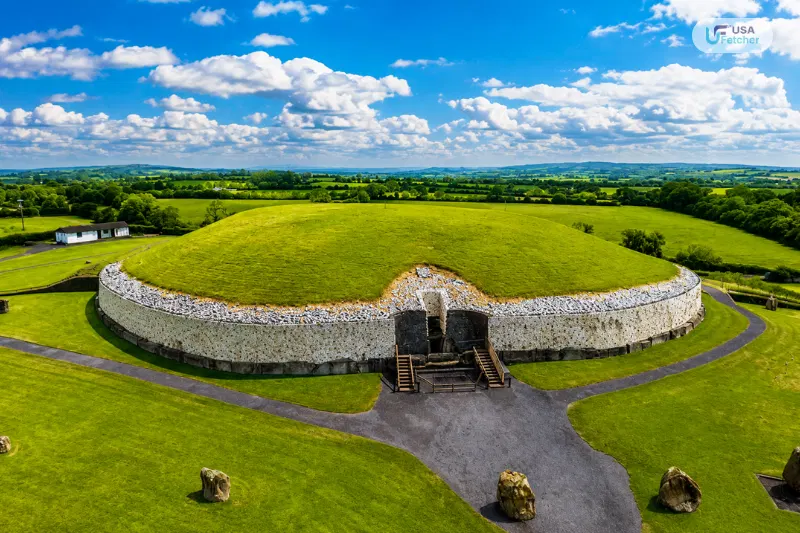
Located in County Meath, Newgrange is one of Ireland’s most important prehistoric monuments. This is an ancient passage tomb, older than Stonehenge and the Egyptian pyramids, constructed about 3200 BC.
Newgrange is part of the Brú na Bóinne UNESCO World Heritage Site, which consists of a group of prehistoric monuments on the River Boyne.
Why Newgrange Is Important
The monument illustrates the high level of knowledge and engineering skill employed in the Neolithic communities in Ireland.
The most renowned of its features is the alignment on the day of the winter solstice. In the darkest days of the year, sunlight passes through a specially made hole at the top of the entrance, and shines on the inner chamber.
Visitors can learn about:
- Neolithic architecture
- Ancient burial traditions
- Archaeological discoveries
- Early astronomical knowledge
Newgrange provides visitors with the opportunity to delve into Ireland’s history many thousands of years before the arrival of castles, cities, and modern communities.
Dingle Peninsula: Coastal Beauty and Traditional Irish Life
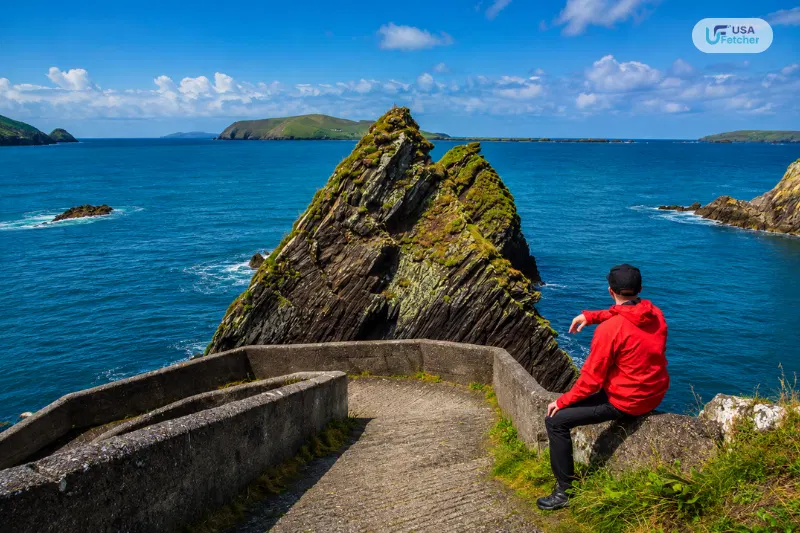
The Dingle Peninsula is one of the most picturesque coastal areas in County Kerry, Ireland. It offers dramatic ocean views, mountains, beaches, archaeological sites, and traditional Irish culture.
The peninsula is part of the Wild Atlantic Way and is renowned for its Irish language heritage and communities.
Best Places to Explore in Dingle Peninsula
| Attraction | Highlights |
| Slea Head Drive | Scenic coastal route with cliffs, beaches, and ocean views |
| Dingle Town | Harbor town famous for seafood, music, and colorful streets |
| Gallarus Oratory | Ancient stone structure linked with early Christian Ireland |
| Coumeenoole Beach | Atlantic beach surrounded by cliffs |
| Mount Brandon | Mountain destination popular for hiking |
Why Visit Dingle?
Dingle is a more traditional Ireland. They can partake in the lifestyle of a coastal Irish community, listen to traditional music, sample fresh seafood, drive through scenic routes, and visit historic sites.
If you’re not seeking the typical tourist sights, Dingle Peninsula offers some of the most captivating scenery and culture in Ireland.
Aran Islands: Traditional Culture and Atlantic Island Beauty
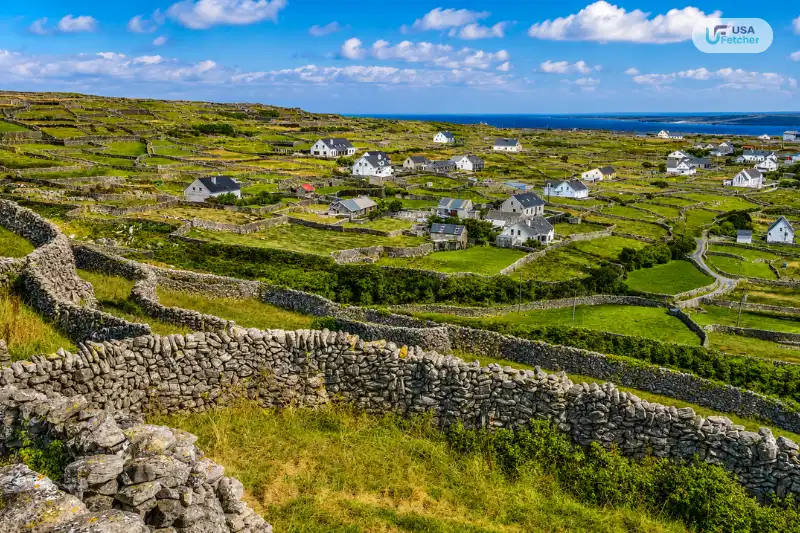
Located off the coast of County Galway, the Aran Islands are among the most unique destinations in Ireland. The islands’ traditional way of life, ancient stone structures, dramatic coastline, and association with the Irish language are all renowned on these islands.
Inis Mór, Inis Meáin, and Inis Oírr are the three primary islands. While each island has its own unique character, they all have a laid-back atmosphere and have historic sites, views of the sea, and traditional Irish culture.
Main Islands and Their Highlights
| Island | Key Features |
| Inis Mór | The largest island, home to Dún Aonghasa and major visitor attractions |
| Inis Meáin | Known for traditional culture, local crafts, and quiet landscapes |
| Inis Oírr | The smallest island with beaches, ruins, and scenic walking routes |
Dún Aonghasa: Ancient Cliffside Fortress
Dún Aonghasa is the most popular site in the Aran Islands. This prehistoric stone fort is located on Inis Mór on the edge of a dramatic cliff overlooking the Atlantic Ocean.
The monument can be traced back many thousands of years and is one of the most significant archaeological sites in Ireland. It sits above the sea, giving it a history and natural beauty of its own.
- There are also places to visit:
- Across the islands, there are many traditional stone walls.
- Coastal walking paths
- Villages & craft vendors
- Irish-speaking communities
- Atlantic Ocean viewpoints
Aran Islands are perfect for visitors who prefer a more relaxed and authentic tourism experience, away from the tourist trail.
Belfast: Maritime Heritage and Modern Culture
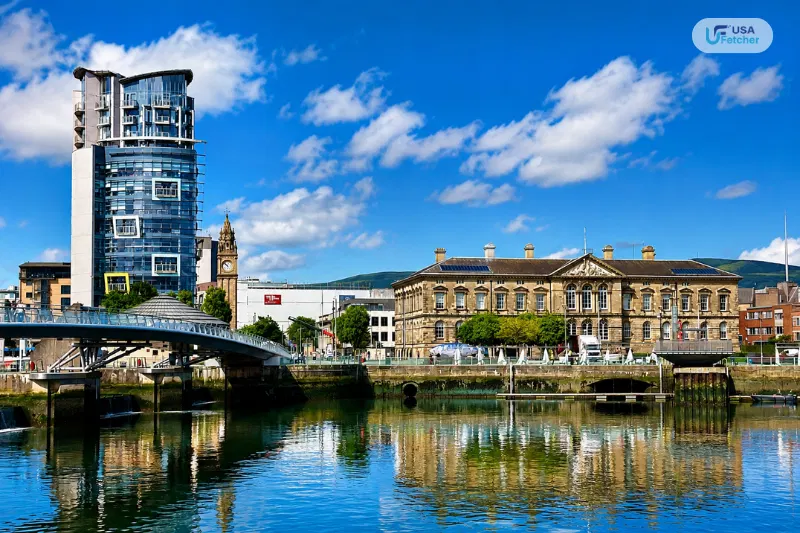
Belfast is the capital of Northern Ireland, as well as a major tourist hub for the island of Ireland. The city is a blend of industrial heritage, cultural attractions, museums, and contemporary entertainment.
Despite being in Northern Ireland, Belfast is also a popular stop on trips around Ireland because of its history as well as its many nearby attractions, including Giant’s Causeway.
Popular Attractions in Belfast
| Attraction | Details |
| Titanic Belfast | Museum dedicated to RMS Titanic and Belfast’s shipbuilding history |
| Belfast City Hall | Historic landmark completed in 1906 |
| Cathedral Quarter | Cultural area with restaurants, art, and entertainment |
| Crumlin Road Gaol | Former prison offering historical tours |
| Peace Walls | Important locations connected with Belfast’s modern history |
Titanic Belfast Experience
The city is known for one of its most popular attractions, Titanic Belfast. The museum is situated close to the site of Harland and Wolff shipyard where RMS Titanic was built and briefly outlines the ship’s design, construction, launch and history.
The attraction showcases Belfast’s significance as a shipbuilding hub and provides visitors with an understanding of the city’s industrial history.
Why Visit Belfast?
Belfast looks different from the coastal villages and countryside of Ireland. History, Architecture, food, and Culture are all explored by the visitor, and even natural landmarks are available.
Wicklow Mountains National Park: Ireland’s Natural Escape Near Dublin
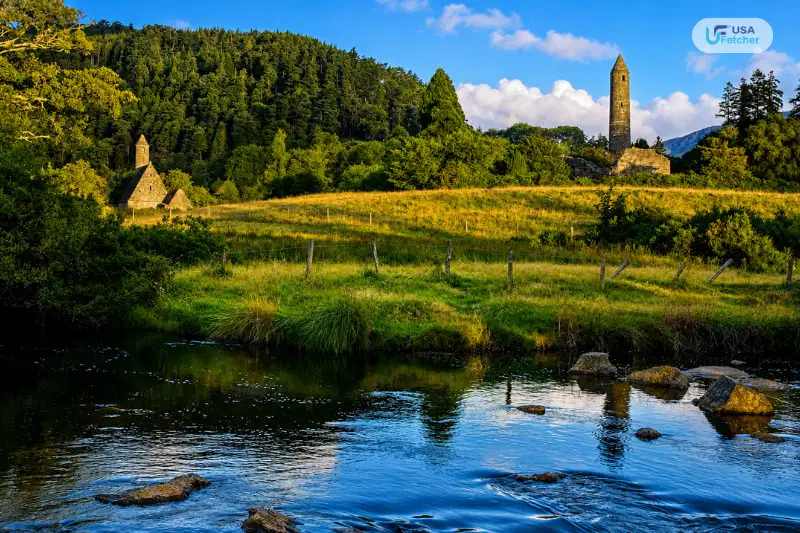
Located south of Dublin, Wicklow Mountains National Park is one of Ireland’s most accessible natural destinations. The park was established in 1991 to protect 20,000 hectares of mountains, forests, lakes and historic landscapes.
It is easily accessible from Dublin and therefore a popular destination for people wishing to visit the countryside without the long journey.
Highlights of Wicklow Mountains National Park
| Attraction | Features |
| Glendalough | Historic monastic settlement founded in the 6th century |
| Lough Tay | Scenic lake surrounded by mountains |
| Sally Gap | Mountain pass with panoramic countryside views |
| Hiking Trails | Routes for beginners and experienced hikers |
Glendalough: A Historic Valley
Glendalough is the most popular place to visit in Wicklow Mountains National Park. In the valley lie the remains of a sixth-century early Christian monastic settlement established by St. Kevin.
Visitors can explore:
- Ancient churches
- A preserved round tower
- Historic stone buildings
- Lakes and walking trails
Wicklow’s archaeological heritage and natural beauty make it one of the most perfect places for a history lover and a nature enthusiast to visit.
Best Time to Visit Ireland
Visitors can enjoy Ireland all year round, but the best travel season will be influenced by the weather, number of visitors, and activities planned.
The country has a moderate oceanic climate, meaning that temperatures are moderate, with the possibility of rain in all seasons.
| Season | Months | Best For |
| Spring | March to May | Fresh landscapes, fewer crowds, comfortable sightseeing |
| Summer | June to August | Outdoor activities, festivals, longer daylight hours |
| Autumn | September to November | Scenic countryside and quieter attractions |
| Winter | December to February | Cultural trips, cities, and lower visitor numbers |
Summer Travel
The summers are very busy as the daylight is the longest and there are more chances to go outdoors to explore. July and August are busy months with popular attractions.
This is a good season for:
- Coastal walks
- Hiking
- Road trips
- Outdoor festivals
Spring and Autumn Travel
Spring and autumn are ideal seasons for visitors who want to experience the landscapes of Ireland without the crowds.
The following seasons are particularly suitable for:
- Photography
- Scenic drives
- Countryside exploration
- Historic site visits
Winter Travel
Winter is a calmer time, particularly in cities such as Dublin, Galway and Cork. The visitor can enjoy visiting museums, restaurants, historic buildings, and cultural attractions, etc.
However, when considering activities, shorter daylight hours and changing weather outdoors should be taken into consideration.
How Many Days Are Enough to Explore Ireland?
The perfect duration of an Ireland trip will depend on the number of areas that travelers desire to visit along with the rate of their travels.
| Trip Length | Recommended Experience |
| 3–4 Days | Dublin, nearby attractions, and one major destination |
| 7 Days | Dublin, Galway, Cliffs of Moher, Killarney, and scenic routes |
| 10–14 Days | Major cities, national parks, islands, coastal drives, and hidden gems |
One-Week Ireland Itinerary Example
Here are some possibilities for a balanced 7-day program:
Day 1: Explore Dublin’s historic attractions
Day 2: Visit Kilkenny and Rock of Cashel
Day 3: Explore Cork and nearby coastal areas
Day 4: Discover Killarney National Park
Day 5: Drive the Ring of Kerry
Day 6: Visit Cliffs of Moher and Galway
Day 7: Explore Connemara or return to Dublin
It’s a longer journey, which makes it possible to visit smaller villages, islands, and rural areas without rush.
Essential Tips for Visiting Ireland
Prepare for Changing Weather
The weather in Ireland is unpredictable and can change rapidly, particularly near the coast and mountains. During warmer times of the year, guests must expect varying weather.
Recommended items include:
- Waterproof jacket
- Comfortable walking shoes
- Layered clothing
- Shelter for outdoor activities from the weather.
Choose the Right Transportation Option
Based on the itinerary type, transportation will be arranged. There is a good amount of connectivity between major cities, and some extra planning may be required for rural destinations.
Travelers should consider:
- Car rental to go out in the country.
- Accommodation close to the main attractions
- Providing additional time for scenic routes
- Using the signs of the attractions to help you decide when to go.Reading the opening hours of the attractions to help you plan your visit.
Experience Irish Culture
One of Ireland’s highlights is its culture. In order to make their visit more memorable, visitors can taste local traditions and communities.
Recommended experiences include:
- Traditional Irish music is a part of their lives. Traditional Irish music is a part of their lives.
- Trying local dishes
- Visiting small towns
- Exploring local markets
- Reading about Ireland’s history and heritage.
Also Visit: Oak Park Mall: Where Kansas City Shops, Dines, and Unwinds
Canal Street New Orleans: Attractions, Shopping, Dining & Travel Guide
King Street Charleston: Complete Guide to Shopping, Dining & Historic Attractions
Frequently Asked Questions
What are the best places to visit in Ireland for first-time travelers?
Dublin, Galway, the Cliffs of Moher, Killarney National Park and the Ring of Kerry are a good start forfirst-timee visitors. They are a good way to get introduced to the history, culture and landscapes of Ireland.
How many days should I spend in Ireland?
Seven days will be more than sufficient to see many of the major sights; 10-14 days will allow for more time on the coast, islands, national parks and small towns.
What is the most famous attraction in Ireland?
There are some of the most recognised natural attractions in Ireland, including the Cliffs of Moher. Other well-known places include the Guinness Storehouse, Trinity College, Newgrange and Giant’s Causeway.
Is Ireland expensive for tourists?
Travel costs depend on accommodation, transportation, food choices, and the season. Dublin and popular tourist areas can be more expensive, while smaller towns may provide more affordable options.
What month is best for visiting Ireland?
May, June, September, and early October are often preferred because they usually offer a good balance of pleasant weather, longer daylight hours, and fewer crowds compared with peak summer.